What Are the Best Hurricane Proof Windows in 2026?

Hurricane Proof Windows are not defined by glass alone. A window performs as a system: glazing, frame, hardware, anchors, and installation all matter. ASTM E1886 and E1996 provide recognized test methods for evaluating windows and other building components against windborne debris and pressure changes. Look for documented test results, not just a “hurricane-rated” label. Ask what assembly was tested and whether its tested configuration matches your home.

The risk is tangible. NOAA’s 2024 U.S. Billion-Dollar Weather and Climate Disasters report counted 27 events, with estimated losses of about $182.7 billion. That total covers multiple hazard types, not hurricanes alone, but it shows the scale of costly weather damage. IBHS research also focuses on how a building’s connected parts affect its resilience. Former IBHS chief engineer Dr. Timothy Reinhold’s engineering work reinforces a useful principle: stronger openings help, but the entire building envelope matters. A perfect pane cannot compensate for weak anchoring or poor installation.

In 2026, the best choice will depend on your home’s location, opening size, design pressures, and local building requirements. Ask for product-specific test documentation and installation details. Check the frame, too. It is easy to overlook. No window makes a home invulnerable, and “proof” can sound more certain than the evidence allows. This guide compares impact-rated options, performance features, and practical questions to ask before buying.
What Are the Best Hurricane Proof Windows in 2026?

What Makes a Window Hurricane-Resistant in 2026?

What Makes a Window Hurricane-Resistant in 2026?

A hurricane-resistant window must do more than use thick glass. It needs a tested assembly: glazing, frame, hardware, and the anchors securing it to the building. ASTM E1996 includes large-missile impact testing with a 9-pound 2-by-4. ASTM E1886 then evaluates how an assembly performs under repeated pressure changes. The exact test level depends on the product and intended use. Details matter.

Laminated glass can crack while its inner layer holds shards in place, helping limit openings for wind and rain. But impact resistance alone does not prove a window can withstand repeated storm pressure. Check the product’s test documentation and approval for the project’s wind zone, building height, and exposure.

Miami-Dade County’s product-approval program, for example, evaluates products against regional requirements; an approval is not a promise that every installation will perform identically.

The frame-to-wall connection is easy to overlook. A well-tested window can still fail if installers use incorrect anchors, spacing, or sealants. Follow the approved installation details, and have a qualified professional assess the opening and surrounding wall. One imperfect reality: labels are useful, but they cannot show whether the unit was installed correctly or maintained over time. A realistic choice weighs impact and pressure ratings, local code requirements, and installation quality—not glass thickness alone.

How Impact Ratings and Building Codes Measure Storm Protection

Hurricane window ratings describe tested performance, not an all-purpose promise. In common U.S. testing, a window may face a simulated flying-debris impact, followed by repeated pressure changes that mimic wind loading. Some tests use a timber projectile. The glass may crack, but the assembly should remain in place and help keep the opening protected. That distinction matters.

Building codes set requirements based on location, design wind speed, building height, and whether debris protection is required. Florida’s code, for example, includes specific provisions for high-wind regions; local rules can differ. A product approval covers a particular configuration, not every window that looks similar. Check the size, frame, glazing, anchoring, and installation details against the approval documents and local code. Small details count.

A rating can look reassuring. It is not the whole story. I would not choose a window by impact label alone; the tested pressure rating must also suit the building. Ask the local building department or a qualified design professional to confirm the requirements before ordering. Even a well-tested window can underperform if installed incorrectly. And codes change, so an old permit or product sheet may not answer today’s question.

Which Hurricane-Resistant Window Types Offer Different Benefits?

Hurricane-resistant windows offer different kinds of protection, and the right choice depends on your home and exposure. Laminated impact windows use a tough interlayer between glass sheets. If debris cracks the glass, the layer can help hold fragments in place and keep the opening covered. That matters when wind-driven rain is a concern. But “impact-resistant” does not mean unbreakable.

Insulated impact windows combine laminated glass with sealed panes that can improve comfort and reduce outside noise. They may suit homes where heat and sound control matter alongside storm protection. Some designs use thicker glass or different interlayers; ask for documented performance ratings rather than relying on appearance. Frame materials also affect durability, upkeep, and how securely a window can be installed. Details matter.

Storm shutters used with suitable windows can provide another layer of protection, though they require storage, fitting, and timely installation. Not always convenient. Before choosing, compare tested impact and pressure ratings for the complete window assembly, including its frame and anchoring. A strong pane can still underperform if the frame is poorly secured. Local requirements and wind exposure vary, so a qualified installer can help assess openings and installation conditions. I would not choose on glass thickness alone; that shortcut can miss the weakest part of the system.

How to Compare Window Materials, Frames, Glass, and Costs

Choosing hurricane windows means comparing complete assemblies, not glass alone. A laminated pane can crack yet remain bonded to an inner plastic layer, helping limit openings. That matters. Performance also depends on the tested frame, hardware, and installation. Check local approval requirements and product documentation before comparing quotes.

Frame material affects maintenance, strength, and price. Aluminum is rigid and can support narrow sightlines, but it conducts heat unless thermally improved. Vinyl often costs less and needs little upkeep, though large openings may need reinforced profiles. Fiberglass resists moisture and temperature swings, but availability and pricing vary. No frame wins everywhere.

Ask whether each quote includes impact-rated glass, compatible locks, and approved anchors. Compare installed costs, including removal, trim repairs, permits, and any required code upgrades. A low price may leave out important work. Request identical window sizes and performance ratings from each contractor; otherwise, the figures are difficult to compare. Costs vary with opening size, access, labor, and region, so online estimates are only starting points. Even careful comparisons can miss installation details. Ordinary windows do not become impact-rated through careful installation.

What Are the Best Hurricane Proof Windows in 2026? — How to Compare Window Materials, Frames, Glass, and Costs

How to read this guide: No window is literally hurricane-proof. Look for a complete window assembly tested and approved for the wind pressures and impact requirements that apply to your location. Costs below are broad 2026 U.S. planning estimates for one standard-size replacement window, including installation; actual quotes vary by size, design, location, and permitting.

Comparison Typical construction or rating Storm performance and strengths Trade-offs and checks Indicative installed cost
Frame Materials
Vinyl (uPVC) Multi-chamber vinyl frame; impact-rated models use reinforced frame components and compatible hardware. Can provide impact protection when the complete window is tested and approved for the intended application. Low maintenance and generally good insulation. Performance varies substantially by product design. Confirm that the frame, sash, glass, and anchorage are covered by the required approval—not just that the glass is laminated. $700–$1,500
Aluminum Aluminum frame, often with thermal breaks in modern residential products. Strong, slim profiles can suit large openings. Impact-rated assemblies are available and can be engineered for high design pressures. Non-thermally-broken frames can transfer heat readily. Check corrosion protection near coastal environments and verify the tested configuration. $900–$2,000
Fiberglass Fiberglass-reinforced frame with impact-rated glass and compatible hardware where specified. Dimensionally stable and resistant to moisture-related movement. Some products offer strong thermal performance and narrow sightlines. Availability, finishes, and impact approvals differ by product and region. Confirm the exact size and configuration are approved for the project. $1,200–$2,500
Wood or wood-clad Wood interior with a protective exterior cladding on many models; impact-rated versions require a tested assembly. Warm interior appearance and good insulation potential. Can meet storm requirements when the complete unit is appropriately rated. Typically costs more and may require more finish care. Check exterior-cladding maintenance needs and the product’s applicable approval. $1,500–$3,500
Glass and Impact Protection
Impact-resistant laminated glass Two or more glass plies bonded with a durable interlayer; installed in a frame tested as part of the window assembly. Designed to resist penetration from windborne debris. If cracked, the interlayer can help hold fragments together and keep the opening covered. Laminated glass alone does not establish that a window is impact-rated. Check the tested assembly, approved size, design pressure, and installation instructions. Usually included in impact-window pricing above
Insulating laminated glass Insulating glass unit incorporating a laminated lite, often with a sealed air or gas space. Can combine impact protection with improved thermal or sound performance when included in an approved assembly. More complex and heavier than basic glass. Confirm glazing options do not change the approval or allowable size of the selected window. Often adds cost; request a project-specific quote
Tempered glass Heat-treated safety glass designed to break into smaller pieces than ordinary annealed glass. Useful for certain safety-glazing locations and resistant to greater thermal stress than annealed glass. Tempered glass by itself is not equivalent to impact-resistant laminated glazing and may leave an opening after breakage. Depends on window and configuration
Ratings, Installation, and Budget Checks
Impact and pressure testing Look for applicable testing such as ASTM E1886/E1996 and the required design-pressure rating. Local codes may require additional approvals or specific documentation. Testing and approvals help verify performance of the window assembly under specified conditions. Requirements depend on location, building height, exposure, opening size, and local code. A rating is not a guarantee against every storm or installation condition. Included in product selection; verify before purchase
Installation and anchorage Window attached to the building structure with the specified fasteners, spacing, sealants, and flashing. Correct installation helps the approved assembly perform as intended and limits water intrusion around the opening. Ask for installation details and permits where required. A high-rated window can underperform if installed into an unsuitable or inadequately secured opening. Installation is included in the ranges above; site work may cost extra
Overall planning range Impact-rated window with an appropriate frame, laminated glass, hardware, and code-compliant installation. Best choice is the assembly that meets local requirements, fits the opening, and has documented approval for the project. Large, custom, shaped, or high-performance windows can cost substantially more. Removal, structural repairs, permits, and difficult access may be additional. $700–$3,500+ per standard window

Before ordering: Request the product approval or test documentation for the exact window configuration, confirm local code requirements with the building department or a qualified professional, and obtain a written quote that separates window, installation, permitting, and any repair costs. Cost ranges are illustrative, not a guaranteed market price.

What to Consider When Choosing and Installing Hurricane Windows

What Are the Best Hurricane Proof Windows in 2026?

Choosing hurricane windows starts with the conditions your home actually faces. A coastal house may need protection from windborne debris and strong pressure changes. Look for tested, impact-rated window assemblies, not just thick glass. The frame, glazing, and connections work together. One weak point matters.

Check local building requirements and ask for documentation showing the window’s tested performance. Ratings can vary by size and configuration, so confirm they match your openings. A large picture window may have different requirements from a small bathroom window. Details count. Also consider daily comfort: glass coatings, frame materials, and tight seals can affect heat, noise, and drafts. A very strong window that makes a room uncomfortable may not feel like the right choice later.

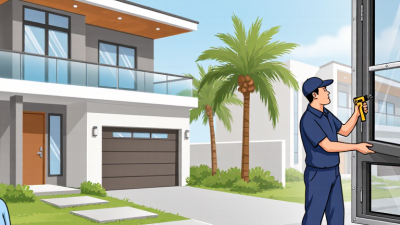
Installation deserves equal attention. Have each opening measured, and ask how the installer will secure the frame to the surrounding structure. Existing wood may be soft or damaged; metal framing may show corrosion. Those conditions can change the work. Get the installation scope, permits, and inspection responsibilities in writing, and check the installer’s relevant credentials and references. Do not assume the most expensive option is automatically best. A careful fit and sound fastening matter, and even good windows need periodic checks for cracked sealant, loose hardware, or trouble opening and closing.