Top 10 Best Hurricane Impact Windows for Buyers

Choosing Hurricane Impact Windows is not just a matter of picking the thickest glass or the most attractive frame. A window must be evaluated as a complete system, including its glazing, frame, hardware, and installation requirements. In a storm, wind pressure can push and pull against the entire assembly. Windborne debris can strike it with little warning. A strong-looking pane alone may not tell the full story.

The Top 10 Best Hurricane Impact Windows for Buyers should help readers compare practical details, not promise a storm-proof home. Look for published impact-test results, design-pressure ratings, product approvals, and clear warranty terms. Confirm that the rating applies to the exact size and configuration you plan to purchase. That detail is easy to miss. A fixed window and a large sliding unit may perform differently, even within the same product line. Professional installation matters, too; poor anchoring can undermine an otherwise suitable window.

This guide focuses on how buyers can assess documented performance, frame materials, glass options, maintenance needs, and overall value. It also recognizes that prices and product availability vary by location. No window can remove every risk during a hurricane, and ratings do not replace local building guidance. That may sound cautious, but caution is useful here. Compare specifications with your home’s exposure, project budget, and a qualified installer’s advice before making a final choice.
Top 10 Best Hurricane Impact Windows for Buyers

Understanding Hurricane Impact Windows and How They Work

Hurricane impact windows are designed to resist flying debris and strong wind pressure. Their glass usually contains two panes bonded to a tough plastic interlayer. If an object cracks the glass, the fragments tend to cling to that layer rather than scatter across the room. The window may still be damaged, but it can help keep a breach from opening immediately.

The glass is only part of the system. Frames, locks, anchors, and the connection to the surrounding wall all matter. During a storm, pressure changes can push and pull at a window, while wind-driven rain searches for gaps around its edges. A sturdy pane in a poorly secured frame may offer less protection than expected. Small details matter.

Look for performance information that matches your area’s wind and debris risks, and ask a qualified installer how the complete assembly is secured. Ratings can vary by size, glass design, and installation conditions, so avoid judging a window by appearance alone. A tiny label won’t explain everything. I’d also want to know how seals and hardware are maintained over time; even durable products can develop problems if neglected. No window makes a home storm-proof, and that distinction is easy to overlook when shopping.

Key Safety Ratings, Testing Standards, and Building Code Requirements

Impact windows are tested systems, not just thick glass. ASTM E1886 and E1996 evaluate impact resistance and repeated wind pressure. In Florida’s High-Velocity Hurricane Zone, Miami-Dade TAS 201, 202, and 203 cover impact, pressure, and water testing. Check the exact test report and approval number. Similar-looking products may carry different ratings.

Design pressure matters. A window’s approved pressure rating must meet the project’s site-specific wind loads, which depend on location, building height, and exposure. Florida Building Code requirements also vary by zone and opening location. FEMA’s Hurricane Ian Mitigation Assessment Team report describes how windborne debris and breaches in building envelopes can increase damage. That is why a passing impact test alone is not the whole story.

Ask for the product approval documents, tested size limits, and installation instructions. Confirm that the frame, glass, anchors, and wall connection match the tested assembly. Small details matter. A strong window installed with the wrong fasteners may not perform as expected. I would also verify whether the local building department requires a specific approval or current code edition. Ratings can look reassuring on a sales sheet, but the paperwork deserves a close read.

Comparing Window Styles, Frame Materials, and Protective Features

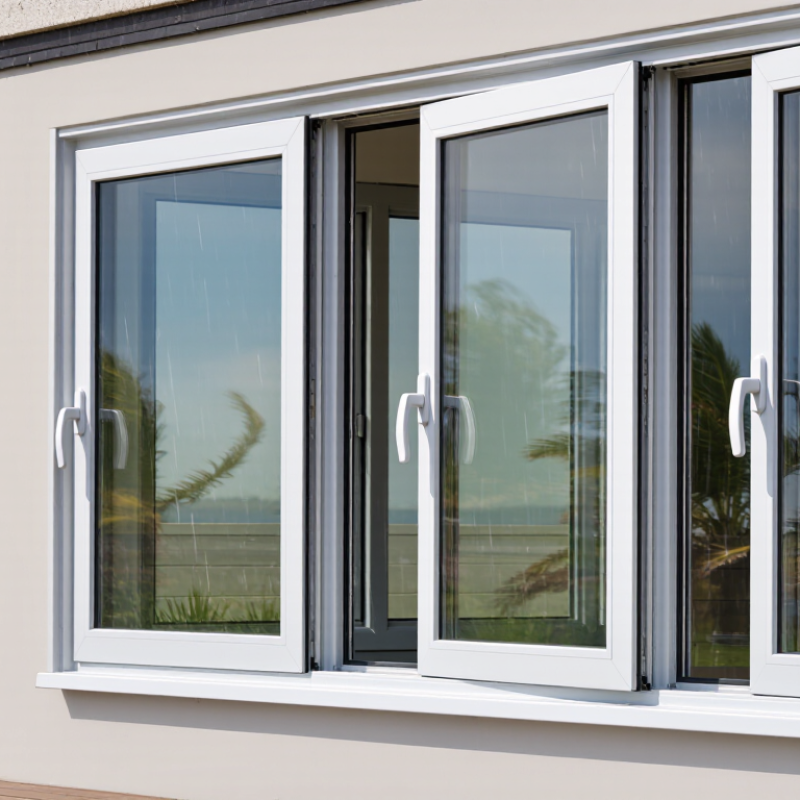
Choosing hurricane impact windows starts with the opening, not the glass alone. A large picture window brings daylight, while casement styles can provide ventilation in calm weather. Sliding windows suit wide openings, though their tracks need regular cleaning. Small details matter.

Impact-rated products typically pair laminated glass with a tested frame and hardware system. The interlayer can hold fragments together if glass cracks, but it does not make a window unbreakable. Aluminum frames are strong and slim, yet can conduct heat. Vinyl often insulates well, but reinforcement and product ratings vary. Fiberglass offers dimensional stability, though availability and cost differ by market.

Look beyond style names. Check tested design pressure, approved size limits, water resistance, and whether the whole assembly was evaluated for windborne debris. Ask how anchors connect to your wall, and confirm installation follows the product instructions. Even excellent glass can underperform in a poorly prepared opening. Compare maintenance needs, coastal corrosion exposure, and energy performance. I’d rethink any choice based on appearance alone. Verify product documentation with a qualified installer or building professional before ordering.

Top 10 Best Hurricane Impact Windows for Buyers — Comparing Window Styles, Frame Materials, and Protective Features

ASTM E1996 missile-impact benchmarks commonly used to evaluate building-envelope protection. These test speeds are not product rankings.

The large-missile benchmark uses a 9-pound 2×4 projectile at 50 ft/s (about 34 mph); the small-missile benchmark uses 0.5-gram steel balls at 130 ft/s (about 89 mph). The applicable test depends on the exposure and building-code requirements. When comparing window styles and frame materials, check the certification and approval for the complete window assembly—glass, frame, and anchorage—rather than relying on a material or style alone.

How the Top 10 Hurricane Impact Windows Compare in Performance and Value

Comparing the top ten hurricane impact windows means looking beyond the glass. Check each option’s tested impact rating, frame strength, air leakage, and water resistance. Two windows may use similar laminated glass yet perform differently because of their frames and installation details. Small gaps around a frame can matter during driving rain.

Value depends on more than the purchase price. A higher-rated window may offer stronger protection, but it may not suit every opening or budget. Compare whole-window test data, warranty coverage, maintenance needs, and quoted installation costs. Ask what the quote includes, such as removal, sealing, and interior trim. Also consider daylight and noise: thicker glazing can affect both. Ratings are useful, but they do not predict every storm or building condition. That part is easy to overlook.

Tips: Measure each opening and note its exposure before requesting quotes. Ask for documentation showing the exact window configuration tested, not just a general product rating. Compare estimates line by line. If a seller cannot explain the rating clearly, pause and verify it independently. Perfect comparisons are rare; I would still want a second opinion before choosing a costly upgrade.

Choosing and Installing the Right Impact Windows for Your Home

Choosing hurricane impact windows starts with your home’s openings, not a product ranking. Measure each window and note its location, size, and exposure to wind-driven rain. Ask for documentation showing impact testing and design-pressure ratings suited to local building requirements. Details matter. A large, exposed window may need a different rating than a sheltered one.

Compare the full assembly: glass, frame, locks, and anchoring method. Laminated glass is designed to remain bonded after cracking, but it does not make every window equally protective. Check that the frame material suits your climate and maintenance preferences. I would not choose by glass thickness alone; it is an easy detail to overvalue. Request clear warranty terms and confirm who handles service if a seal or lock fails.

Installation deserves the same care as product selection. The installer should verify rough openings, fasten frames into sound structural material, and seal the perimeter without blocking drainage paths. Measure twice. Poor anchoring or rushed flashing can undermine a well-rated window. Ask how the crew will protect interior finishes, remove old units, and document the work. Before signing, confirm permits and inspection requirements with your local building department. A neat bead of caulk is not proof of a sound installation.

Top 10 Best Hurricane Impact Windows for Buyers: Choosing and Installing the Right Impact Windows for Your Home

This comparison ranks practical window styles and configurations by typical residential use. Actual impact performance depends on the specific tested and approved product, size, glass, frame, and installation—not on window style alone.

Rank Window Type or Configuration Best For Typical Frame Options Common Impact-Glazing Construction Main Advantages Trade-Offs Buyer Checks
1 Fixed or picture window Living rooms, large views, and openings where ventilation is not needed Vinyl, fiberglass, wood-clad, or thermally improved aluminum Laminated glass with an interlayer, configured as part of a tested impact-resistant assembly No moving sash; generally fewer air-leakage paths than an operable window Does not open for ventilation or emergency egress; large units may require careful structural review Confirm the approved maximum size, design pressure, glazing details, and required anchorage
2 Casement window Rooms needing ventilation and a clear opening when the sash is open Vinyl, fiberglass, wood-clad, or aluminum Impact-rated laminated glazing in a compatible sash and frame system Crank operation; sash can direct breezes into the room when conditions allow Hardware and seals need maintenance; outward-opening units can conflict with walkways or shutters Check operating clearance, hardware rating, egress dimensions where required, and approved opening size
3 Single-hung window Bedrooms and common residential openings where a simple vertical sash is preferred Vinyl, fiberglass, wood-clad, or aluminum Impact-rated laminated glazing; some approved designs use laminated glass in one or both sashes Only the lower sash typically moves, giving the design fewer operating components than a double-hung unit Ventilation area is limited to the opening created by the moving sash; cleaning the exterior may be harder Verify which sash is operable, the tested configuration, screen details, and any egress requirements
4 Horizontal sliding window Wide openings, patios, and locations where a sash should not project outward Vinyl, fiberglass, or aluminum Laminated impact glazing in a tested sliding frame and locking system Does not swing into or out of the room; convenient for broad openings Only part of the total window area opens; tracks should be kept clean and drainage paths clear Ask for approved width and height limits, lock details, roller specifications, and design-pressure documentation
5 Double-hung window Traditional-style homes and rooms where ventilation from the top or bottom is useful Vinyl, fiberglass, or wood-clad Impact-rated laminated glass in a specifically tested sash-and-frame assembly Both sashes commonly move; some designs tilt inward for cleaning More moving parts and seals to maintain; not every model or size is impact approved Confirm that both sash configurations are covered by the approval and check clear opening for egress
6 Awning window Bathrooms, kitchens, and smaller openings where ventilation during light rain is desirable Vinyl, fiberglass, wood-clad, or aluminum Impact-rated laminated glass matched to the tested frame, hinges, and locking hardware Top-hinged sash opens outward; useful where a projecting casement would be less practical Limited opening area; projecting sash may obstruct exterior paths or be unsuitable in high-wind operating conditions Check permitted size, hinge and lock specifications, installation location, and local egress rules
7 Fiberglass-frame impact window Buyers prioritizing dimensional stability and a frame material with relatively low thermal expansion Fiberglass, sometimes with interior or exterior finish options Laminated impact glazing specified for the complete approved window system Fiberglass is resistant to corrosion and generally expands and contracts less than many other frame materials Availability, finish choices, and cost vary; frame material alone does not establish impact performance Compare whole-window thermal data, finish warranty, approval documents, and available sizes
8 Thermally improved aluminum-frame impact window Large or contemporary designs where slender sightlines are desired Aluminum with a thermal break or other thermal-improvement feature Laminated impact glazing engineered for the specific aluminum frame and hardware Strong, durable frame material can support narrow profiles in appropriately engineered designs Standard aluminum conducts heat readily; thermal performance depends on frame design, glazing, and installation Confirm the thermal-break design, whole-window energy ratings, corrosion protection, and coastal suitability
9 Custom-shaped or architectural impact window Arched, angled, or other non-standard openings Varies by approved product system and shape Impact-rated laminated glazing only where the exact shape and assembly are covered by applicable testing or approval Can preserve a distinctive design while providing a path to tested impact protection Custom shapes can limit availability, increase lead time, and have stricter size or design-pressure limits Obtain written confirmation that the exact shape, dimensions, mullions, and glass make-up are approved
10 Factory-mulled window assembly Multiple adjacent windows installed as one coordinated assembly Material depends on the selected, approved window system Impact glazing in each unit, with tested or engineered mullions and connections for the assembly Creates a broad, coordinated opening and can reduce the number of separately installed units Mullions and connections carry structural loads; combining individually approved windows does not automatically approve the assembly Request assembly-specific approval or engineering, mullion limits, anchorage details, and installation instructions

Before buying: Request documentation for the exact product, size, glass make-up, frame, and configuration. In applicable U.S. jurisdictions, confirm required impact and design-pressure approvals with the local building department. Proper installation into the building structure is essential; follow the product’s approved instructions and local code.