Why Do You Need Professional Glass Door Repair?
A glass door should open smoothly, close securely, and sit squarely in its frame. When it drags, rattles, or develops a crack, the cause may be more than worn hardware. A trained technician can inspect the glass, rollers, hinges, seals, and frame before recommending a repair. That matters because a small alignment problem can put uneven pressure on a glass panel. Sometimes the visible damage is not the whole story.
The U.S. Department of Energy’s Energy Saver guidance reports that windows account for about 25% to 30% of residential heating and cooling energy use. This figure concerns windows, not glass doors, so it should not be treated as a door-specific estimate. Still, it shows why gaps and poor seals deserve attention. A professional can check for drafts, failed weatherstripping, and hardware that prevents a proper seal. The National Glass Association also publishes technical guidance for glazing selection and installation, underscoring the value of correct materials and workmanship. Repairs should follow the door manufacturer’s specifications and the glass type installed.
Some fixes look simple. They may not be. A chipped edge, a loose pivot, or a door that suddenly sticks can signal a problem requiring careful assessment. Professional Glass Door Repair helps identify the cause, use compatible parts, and restore safe operation without guesswork. Even experienced property owners can miss a subtle frame shift. That is worth admitting. A clear inspection report and a practical repair plan offer a more reliable starting point than repeated adjustments.
Common Glass Door Problems That Require Repair
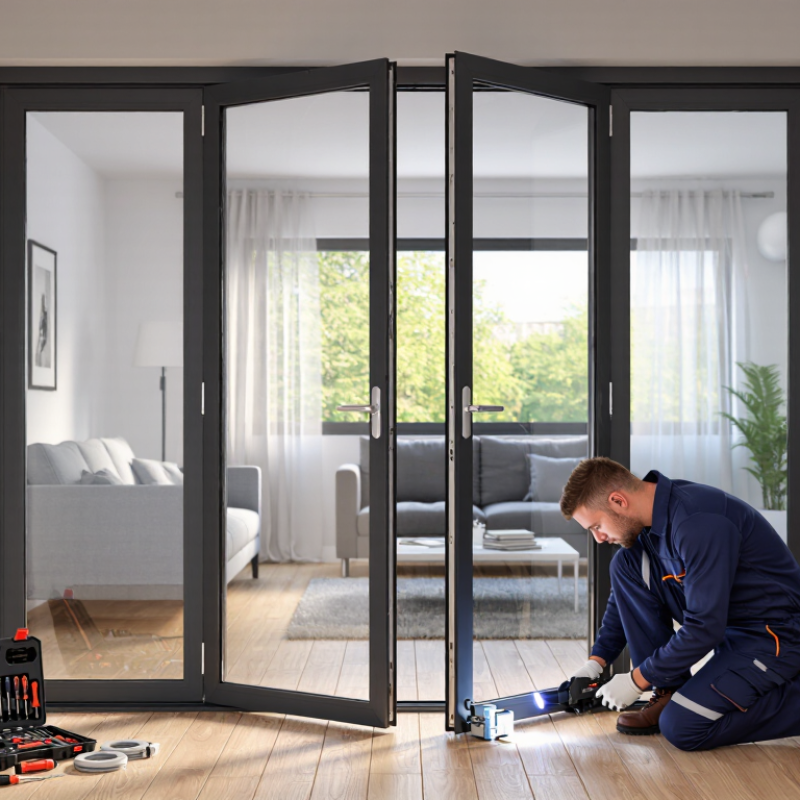
Glass doors often show trouble before they stop working. A door that drags across the floor may have worn rollers, a misaligned track, or loose hardware. You may hear a scrape with every opening. That sound matters.
Cracks and chips need prompt attention, even when they look small. Temperature changes and everyday use can make damaged glass weaker. A professional can assess whether the panel needs replacement and check nearby seals and frames. Do not press on cracked glass or try to remove it yourself.
Some problems are less obvious. Condensation between insulated panes can point to a failed seal, while drafts may mean weatherstripping has worn or shifted. A lock that sticks can result from misalignment, not just a faulty latch. It is easy to guess wrong. A trained repair technician can inspect the door, identify the cause, and recommend a repair suited to its glass and hardware. If the door feels unstable, keep people clear until it has been checked.
Safety and Security Risks of Delaying Glass Door Repairs
A cracked glass door can look stable while hiding a serious weakness. A small chip near the edge may spread when the door slides, closes, or takes a sudden bump. The panel could then break without much warning. That is a real risk. Children, pets, and anyone walking barefoot nearby may be especially vulnerable.
A door that no longer closes or locks properly can also leave an easy way inside. Misaligned rollers, loose hinges, or a damaged frame may create gaps, even when the glass still looks intact. At night, that gap can be hard to notice. It is tempting to keep using the door for another week, but repeated movement may worsen the damage. I have seen how a minor alignment issue can become a larger repair.
A professional can check the glass, frame, tracks, and locking hardware together. The correct repair depends on the door’s construction and the location of the damage; a quick patch may not restore safe operation. Until it is inspected, keep people away from cracked areas and avoid forcing a sticking panel. Even then, it may still feel usable. Looks can deceive.
Why Prompt Glass Door Repairs Matter
Damaged glass or a door that no longer closes securely can undermine a property's security. In a study of 422 incarcerated burglars, 34% reported entering through a front door and 22% through a back door. These figures describe reported burglary entry points—not the risk caused specifically by delayed glass repairs.
Source: Wright & Decker, Understanding Decisions to Burglarize from the Offender’s Perspective (2012), University of Chicago Press.
How Professional Technicians Assess and Repair Glass Doors
Why Do You Need Professional Glass Door Repair?
How Professional Technicians Assess and Repair Glass Doors
A professional assessment starts with how the door moves. A technician may open and close it slowly, checking for scraping, sticking, loose handles, and uneven gaps around the frame. They also inspect hinges, rollers, tracks, seals, and the surrounding glass for chips or cracks. Small clues matter. A door that drifts open may point to a frame or alignment issue, not just a faulty latch.
Repairs depend on what the inspection reveals. A technician might clear grit from the track, adjust rollers, tighten hardware, or replace a worn seal. If the glass is damaged, they assess its type, size, and how it is held in place before recommending a safe replacement. No guesswork. The cause is not always obvious, and some problems return when only the visible symptom is fixed.
After the repair, the technician tests the door several times and checks that it closes evenly. They may also explain what to watch for, such as fresh scraping sounds or water around the threshold. A perfect fix cannot be promised without seeing how the door performs over time, but a careful inspection helps catch issues before they worsen.
| Why Do You Need Professional Glass Door Repair? - How Professional Technicians Assess and Repair Glass Doors | ||||
|---|---|---|---|---|
| Assessment Area | What the Technician Checks | Common Finding | Typical Repair Approach | Why Professional Assessment Matters |
| Glass condition | Cracks, chips, edge damage, loose panes, and signs of impact | Cracked or chipped safety glass; damage near an edge or hardware attachment | Assess whether the glass can remain safely in service; replace damaged safety-glass panels when repair is not appropriate | Glass type, damage location, and door construction affect safe handling and whether replacement is needed |
| Door alignment | Clearance around the door, rubbing, uneven gaps, and movement through the opening | Door scrapes the floor or frame, or does not sit squarely in the opening | Inspect and adjust hinges, pivots, or track components; check the frame and mounting points | Correcting the underlying alignment can prevent repeated strain on the glass and hardware |
| Hinges, pivots, and tracks | Wear, looseness, corrosion, damage, and smoothness of operation | Loose fasteners, worn rollers, a sticking track, or a door that swings unevenly | Tighten or replace compatible components and verify the door moves smoothly | Glass doors can be heavy, and unsuitable or incorrectly installed hardware can create safety risks |
| Lock and handle operation | Latch engagement, handle security, alignment, and operation from both sides where applicable | Latch fails to engage, handle feels loose, or the lock is difficult to operate | Adjust alignment or repair or replace worn locking and handle components | A technician can distinguish hardware problems from alignment issues and confirm reliable operation |
| Seals and weather protection | Gaps, worn seals, water entry, drafts, and contact between the door and frame | Damaged sweep or weatherstripping, or a gap that allows air or water through | Replace suitable seals and adjust the door or frame where possible | Proper fit helps limit drafts and moisture entry without interfering with door movement |
| Safety and installation | Glass identification where possible, mounting security, nearby hazards, and applicable local requirements | Unstable mounting, unsuitable replacement material, or visible damage that may worsen | Secure the work area, select an appropriate replacement assembly, and install it according to the door system and applicable requirements | Professional handling helps reduce the risk of injury and supports a suitable, secure installation |
| Repair verification | Door movement, clearances, hardware function, and stability after the work | Door still binds, does not latch, or shows movement at a mounting point | Test operation, make final adjustments, and explain any remaining limitations or follow-up needs | A post-repair check helps confirm that the door operates as intended before normal use resumes |
Benefits of Professional Repair Over DIY Solutions
A glass door can look simple, but its weight and alignment make repairs less straightforward than they seem. A slipping panel, grinding roller, or loose handle may point to wear elsewhere in the frame. A professional repairer can inspect the hinges, tracks, seals, and glass before choosing a fix. That matters. Replacing one part without finding the cause may leave the door difficult to use.
Professional repair also reduces the risks of handling heavy glass and working around sharp edges. Technicians use suitable lifting and adjustment tools, and they can check whether the door closes evenly. A poorly aligned panel may rub against the frame or place extra strain on its hardware. Correcting it can help prevent repeat damage. No repair can guarantee that a door will never fail, but a careful inspection gives you better information.
DIY fixes can suit simple tasks, such as cleaning a track or tightening an accessible screw. Still, it is easy to miss a worn roller or a failing seal. I have found that what looks like a small adjustment can be less simple once the panel shifts. Professional help is especially useful when glass is cracked, the door feels unstable, or the frame appears damaged. A clear explanation of the fault and repair options helps you decide what makes sense.
When to Call a Glass Door Repair Specialist
A glass door should slide or swing smoothly, close securely, and stay firmly in its frame. Call a repair specialist when it suddenly sticks, scrapes the floor, or needs unusual force to move. A door that jumps off its track can fall without warning. Don’t keep forcing it. That can worsen the damage.
Cracks, chipped edges, loose handles, and gaps around the frame also deserve prompt attention. Even a small crack can spread after a temperature change or another impact. If the glass rattles when the door moves, or the lock no longer lines up, a specialist can check the panels, rollers, hinges, and frame. They can identify whether adjustment or replacement is needed and handle heavy glass with suitable equipment.
Some symptoms are less obvious. A door may close but leave a cold draft, or its rollers may make a rough grinding sound. These details help a technician diagnose the problem. If glass is broken or visibly unstable, keep people away and avoid touching the panel. It’s tempting to try a quick fix, especially when the door still works. I’d pause there; a temporary adjustment may hide a loose component, not solve it. Call for professional help when the cause is unclear or the door feels unsafe.
Related Posts
-
Transform Your Home's Aesthetics: A Comprehensive Guide to Choosing the Perfect House Windows
-

Top Examples of Hurricane Impact Windows That Enhance Home Safety and Aesthetics
-

How Hurricane Windows Enhance Home Safety: Exploring Impact Resistance Ratings and Energy Efficiency Standards
-
Why is Residential Glass Repair Important for Homeowners?
-

5 Essential Tips for Choosing the Best Impact Windows and Doors for Your Home
-
Comprehensive Solutions for Efficient Home Window Glass Replacement: Boosting Energy Efficiency by 30%