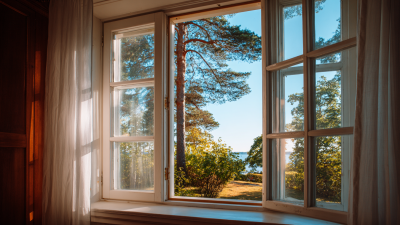
Why Choose Energy Efficient Windows for Your Home?
Why Choose Energy Efficient Windows for Your Home? The answer begins with the glass, but it does not end there. The U.S. Department of Energy reports that windows can cause 25–30% of a home’s heating and cooling energy use. That loss appears as a cold floor beside the window, fading furniture, or a heating system that runs longer than expected. Energy Efficient Windows can reduce unwanted heat transfer through improved glazing, insulated frames, and tighter seals.
The numbers deserve careful attention. ENERGY STAR explains that certified residential windows can lower household energy costs, especially when replacing older, single-pane products. However, savings vary by climate, orientation, installation quality, and household behavior. A south-facing window in Arizona faces different demands from one in Minnesota. There is no universal product.
Look at the details. The National Fenestration Rating Council identifies U-factor and solar heat gain coefficient as key performance ratings. Lower U-factor generally means better insulation. SHGC indicates how much solar heat enters the home. These figures help homeowners compare products without relying only on attractive marketing claims. The frame matters, too. Poor installation can leave small gaps around an excellent window.
That point is easy to overlook. A high-performing window cannot correct careless fitting. Professional installers usually check flashing, drainage, air sealing, and the surrounding wall condition. I might prefer the highest rating available, but that choice can be wasteful without considering local weather and budget. Reliable decisions combine certified data, practical inspection, and realistic expectations. The best Energy Efficient Windows should make rooms feel steadier, bills more manageable, and long-term comfort easier to maintain.
What Are Energy-Efficient Windows?
Why Choose Energy Efficient Windows for Your Home?
Energy-efficient windows are designed to reduce unwanted heat transfer through glass and frames. In winter, they help keep heated air indoors. During summer, they slow outdoor heat from entering living spaces. Their performance depends on several parts, not glass alone. Many include double or triple panes, low-emissivity coatings, and insulating gas between the panes. Durable frames made from vinyl, fiberglass, or treated wood can also reduce drafts.
A window’s U-factor measures how quickly heat passes through it. Lower numbers usually indicate better insulation. Solar heat gain coefficient, or SHGC, shows how much sunlight becomes indoor heat. A lower SHGC may suit hot climates, while a higher value can help sunny rooms in colder areas. These details matter near large windows, where a sofa or floor can feel noticeably warmer.
During a home inspection, I would check for cold edges, condensation, loose seals, and air movement around the frame. A well-rated window can still perform poorly if installed carelessly. That is an uncomfortable truth. Curtains, exterior shading, and correct ventilation also affect results. I once assumed replacing glass would solve every draft problem; the leak was actually around the frame. Reliable choices should match the local climate, wall design, window direction, and professional installation standards.
How Do Energy-Efficient Windows Work?
How do energy-efficient windows work? They slow heat movement through glass, frames, and gaps. In winter, indoor heat tries to escape. In summer, outdoor heat pushes inward. The U.S. Department of Energy estimates that windows account for 25–30% of residential heating and cooling energy use. That makes windows more than a design detail. They are part of the building envelope. Double or triple panes create insulating air spaces. Many units use argon gas to reduce heat transfer. Low-emissivity coatings reflect infrared energy while allowing daylight through. However, installation still matters. A perfect specification cannot rescue a poorly sealed frame.
The National Fenestration Rating Council evaluates U-factor, solar heat gain coefficient, visible transmittance, and air leakage. A lower U-factor means better insulation. A lower SHGC can help hot, sunny rooms. Higher solar gain may help cold climates. The U.S. Department of Energy’s Energy Saver guidance also stresses climate, orientation, shading, and occupant behavior. In practice, afternoon glare may require exterior shading, not darker glass alone. A practical home inspection can reveal drafts near ankles and cold glass edges. Those small details are easy to miss. They also challenge the belief that expensive glass always performs best.
Tips: Compare whole-window ratings, not glass alone. Ask about spacer types and air-sealing methods. Check condensation after cold nights. Persistent moisture may indicate high indoor humidity, not window failure. Start with the draftiest rooms. Measure first. Replace later.
Why Choose Energy-Efficient Windows for Your Home?
Energy-efficient windows reduce heat transfer through improved glazing, low-emissivity coatings, insulating gas fills, and tighter frames. A lower U-factor indicates better insulation and less heat flow.
Typical whole-window U-factor examples in Btu/h·ft²·°F. Lower values generally mean better thermal performance.
Which Features Improve Window Energy Performance?
Why Choose Energy Efficient Windows for Your Home?
Window energy performance depends on more than attractive glass. The U.S. Department of Energy reports that windows can cause 25–30% of residential heating and cooling energy use. Better features can reduce this hidden loss. Low-emissivity coatings reflect indoor heat during winter and limit solar heat during summer. Insulating glass units add another barrier. Two or three panes work better than one.
Look for a low U-factor in cold climates. This rating measures how quickly heat passes through the window. In warmer regions, a lower solar heat gain coefficient can be more important. It limits unwanted sunlight, especially on south- and west-facing windows. The National Fenestration Rating Council also evaluates visible transmittance, air leakage, and condensation resistance. These details matter in daily use. A window may look efficient on paper but still perform poorly if installation leaves gaps.
The frame deserves attention. Vinyl, fiberglass, wood, and composite frames can reduce thermal bridging when properly designed. Warm-edge spacers improve the glass perimeter, where condensation often begins. The International Energy Agency emphasizes that building envelopes must be considered as complete systems, not isolated products. That is easy to overlook. A highly rated window cannot correct poor flashing or a damaged seal. Homeowners should compare certified ratings, local climate needs, orientation, and installer quality before choosing. The cheapest option may not be the most efficient. Yet the most expensive window is not automatically better, either.
Why Choose Energy Efficient Windows for Your Home? - Which Features Improve Window Energy Performance?
| Energy-Performance Feature | Typical Performance Indicator | How It Improves Efficiency | Most Useful In | What to Look For |
|---|---|---|---|---|
| Low U-Factor | Approximately 0.20–0.30 Btu/h·ft²·°F for high-performance residential windows | Reduces heat transfer through the window, helping retain indoor heat during cold weather and lowering heating demand. | Cold and mixed climates | Choose a lower U-factor when winter heat loss is a major concern. |
| Low-E Glass Coating | A microscopically thin, transparent coating applied to one or more glass surfaces | Reflects selected infrared energy while allowing visible daylight to enter, reducing unwanted heat loss or heat gain. | All climates, with coating selection matched to local conditions | Check the complete window's U-factor and SHGC rather than evaluating the glass coating alone. |
| Double or Triple Glazing | Two or three panes separated by sealed insulating spaces | Adds insulating layers and reduces conductive heat flow compared with single-pane glass. | Double glazing for many climates; triple glazing for colder conditions | Compare whole-window ratings, because frame design and installation also affect performance. |
| Inert Gas Fill | Argon is common; krypton may be used in narrower insulating spaces | The gas has lower thermal conductivity than air, improving insulation between glass panes. | Cold and mixed climates | Look for sealed insulating glass units and a whole-window U-factor that reflects the complete assembly. |
| Low SHGC | Solar Heat Gain Coefficient ranges from 0 to 1; lower values admit less solar heat | Limits solar heat entering the home, helping reduce cooling loads and overheating. | Hot climates and strongly sun-exposed elevations | Select according to climate, orientation, shading, and whether passive solar heating is desired. |
| Warm-Edge Spacer | Low-conductivity spacer separating the panes around the glass perimeter | Reduces heat flow at the edge of the insulating glass and can help lower interior condensation risk. | Cold and humid climates | Consider spacer design together with glass, frame, and indoor humidity conditions. |
| Low Air Leakage | Air Leakage rating is expressed in cubic feet per minute per square foot of window area | Limits uncontrolled drafts and the loss of conditioned indoor air through gaps around the sash and frame. | All climates, especially windy locations | A lower rating indicates a tighter window; professional installation is equally important. |
| Insulating Frame Material | Frames may incorporate insulated cavities, thermal breaks, or low-conductivity materials | Reduces heat transfer through the frame and improves the window's overall thermal performance. | All climates | Use the whole-window U-factor instead of judging efficiency from frame material alone. |
| Visible Transmittance | A value from 0 to 1 indicating the proportion of visible light transmitted through the window | Higher values can provide more natural daylight, potentially reducing daytime electric-lighting needs. | Homes where daylight and reduced lighting use are priorities | Balance daylight with glare control, privacy, solar heat gain, and room orientation. |
| Correct Installation and Sealing | Continuous perimeter sealing, properly insulated gaps, and accurate alignment | Prevents bypasses around the window that can undermine the rated performance of otherwise efficient products. | All climates and building types | Require installation according to applicable building codes and the window manufacturer's instructions. |
Note: Window performance depends on climate, orientation, shading, window size, frame design, installation quality, and occupant behavior. Compare certified whole-window ratings rather than glass-only specifications.
What Benefits Do Energy-Efficient Windows Provide?
Why Choose Energy Efficient Windows for Your Home?
Energy-efficient windows improve comfort by slowing heat transfer through glass and frames. In winter, they help retain warmth near sofas, floors, and window seats. During summer, they reduce unwanted solar heat, especially in rooms facing west. Low-emissivity coatings, insulated glazing, and tight seals support this performance. They can also reduce drafts and outside noise. The difference is often noticeable.
Lower energy use
Lower energy use may reduce monthly heating and cooling costs. However, savings depend on your climate, window size, shading, and installation quality. The financial return may take years, not months. Energy-efficient windows can also help control indoor condensation, though they cannot fix poor ventilation or serious moisture problems. Choose products with tested U-factor and solar heat gain ratings. Ask a qualified installer about local conditions and proper flashing. Small installation gaps matter.
Tips:
Compare ratings, not just prices. Check the frame material and spacer design. Open and close each sample window. Look for even seals and smooth movement. Consider exterior shading for harsh afternoon sun. Keep realistic expectations. Better windows are useful, but they are not magic. A professional inspection can reveal whether replacement is necessary or whether sealing existing frames would be wiser.
How Can Homeowners Choose the Right Energy-Efficient Windows?
Choosing the right energy-efficient windows starts with your home’s climate, direction, and daily comfort problems. South-facing rooms may need glass that reduces summer heat, while north-facing windows often benefit from stronger insulation. Check the U-factor for heat loss and the solar heat gain coefficient for sunlight control. Lower is not always better for every room.
Frame material also matters. Vinyl, fiberglass, wood, and composite frames offer different levels of durability, maintenance, and insulation. Examine the window’s certified performance ratings, not just the advertising language. Ask a qualified installer how the window will fit your wall depth, flashing, and drainage system. Even excellent glass can perform poorly after careless installation.
Measure drafts near the floor on a windy day. Notice condensation around the edges, not only on the center glass. A multi-pane window with low-emissivity coating can help, but it cannot repair weak insulation around the opening. I once assumed the most expensive option would be best; that was too simple. Budget, orientation, ventilation, and local weather all change the decision. Request written estimates that separate the window, installation, disposal, and warranty terms. Small details matter.
Related Posts
-
Transform Your Home's Aesthetics: A Comprehensive Guide to Choosing the Perfect House Windows
-
What is Energy Efficient Windows and How Can They Save You Money
-

Top Examples of Hurricane Impact Windows That Enhance Home Safety and Aesthetics
-

The Ultimate Guide to Understanding Hurricane Windows and Their Impact on Home Safety
-

How to Choose the Best Residential Glass Repair Service?
-

Maximizing Value with Expert Residential Glass Repair Solutions for Sustainable Homes