Top Noise Prevention Windows Solutions for 2026 What to Know?
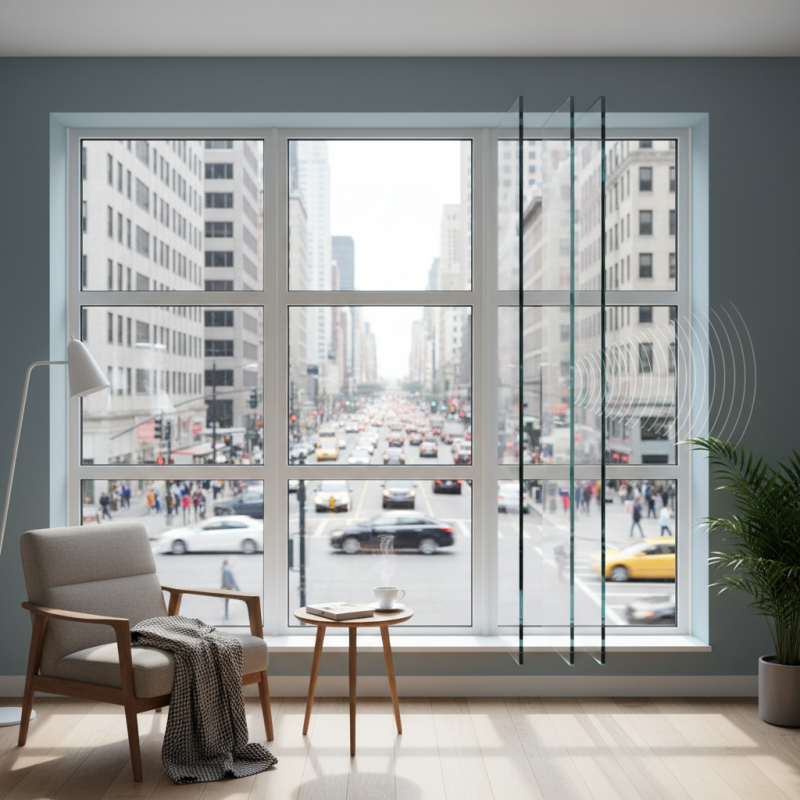
In today's fast-paced world, noise pollution is a growing concern. Many people seek peace in their homes. This is where Noise Prevention Windows come into play. They offer a solution that blocks out the distracting sounds of urban life.
In the coming years, advancements in window technology will greatly enhance noise reduction. By investing in these innovative windows, homeowners can create serene living environments. Noise Prevention Windows can significantly improve quality of life. However, it's essential to understand that not all products are equally effective.
Choosing the right windows means considering materials and installation methods. Sometimes people overlook the importance of professional installation. This can lead to subpar results, and that's a pity. Therefore, being informed before making decisions in 2026 is crucial. Exploring options can lead to surprising discoveries and better sound control.
The Importance of Noise Prevention in Modern Architecture
Noise pollution is a growing concern in urban environments. Research indicates that nearly 60% of city dwellers experience sleep disturbances due to noise. This can seriously impact their health and well-being. In modern architecture, noise prevention is no longer optional; it’s critical for creating livable spaces.
One study shows that well-designed soundproof windows can reduce noise by up to 95%. This adaptation significantly improves indoor comfort. Architects must consider sound management as a primary aspect of residential and commercial designs. Incorporating materials that absorb sound, like triple-glazed windows, can create a peaceful atmosphere in bustling locations.
Despite advancements, many designs still overlook this crucial element. Achieving optimal noise reduction is challenging. Builders sometimes prioritize aesthetics over functionality. More rigorous building codes and standards are essential to address these gaps. The future of architecture relies heavily on balancing design with effective noise prevention solutions.
Key Features of Effective Noise Prevention Windows
When considering noise prevention windows, understanding their key features is crucial. Effective noise-reducing windows should include multiple layers of glass, specially designed for insulation. A report by the Environmental Protection Agency notes that dual-pane windows can reduce noise levels by up to 35 decibels. This can significantly impact the comfort level in urban environments.
Another critical aspect is the window frame. Materials like fiberglass or vinyl provide better insulation than traditional wood frames. Proper sealing is also essential. Gaps can lead to sound leakage, undermining the benefits of noise reduction. According to an industry study, improperly sealed windows can diminish sound reduction by 50%.
Tips: Ensure your windows fit snugly in their frames. Regularly check for gaps or signs of wear. Upgrading window materials is an investment in quiet living. Consider professional installation for optimal results. Don't underestimate the impact of small adjustments; even a minor change can enhance noise control.
Materials and Technologies Leading the Noise Reduction Market
As urban living continues to grow, noise pollution becomes a significant concern. The right materials and technologies can dramatically reduce unwanted sound. Recent studies indicate that high-performance windows can reduce noise levels by up to 75%. This is essential for urban dwellers seeking peace at home.
Double and triple glazing are leading technologies in noise reduction. These efficiently trap sound between layers. Advanced acoustic glass is another innovative option. It uses specialized materials to absorb sound waves effectively. Reports show that these solutions are becoming increasingly popular. Nearly 67% of homeowners prioritize noise reduction features in their renovation projects.
However, not all noise-reduction solutions perform equally. Some may not meet expectations in real-world applications. There are cases where installation quality affects overall performance. It's essential to evaluate the complete system. Buyers must research products carefully to avoid subpar results. Making informed choices can lead to better living conditions amidst urban noise.
Choosing the Right Noise Prevention Windows for Your Home
Choosing the right noise prevention windows for your home can significantly enhance your living environment. Sources indicate that noise pollution can lead to stress and reduced quality of life. The World Health Organization states that 40% of the European population is affected by unwanted noise. Therefore, selecting effective noise-reducing windows is crucial.
Look for windows with a sound reduction index (Rw) of at least 30 dB. This metric reflects the specific ability of a window to block sound. Double or triple glazing can provide superior noise insulation. In fact, studies show that properly installed triple-glazed windows can reduce noise intrusion by 50%. However, remember that glass type and frame quality also play an important role.
Installation is often a point of concern. Poor installation can negate the benefits of even the best windows. Gaps and leaks can still let noise infiltrate your home. It's essential to assess the installation process carefully and ensure proper sealing. Even with premium products, improper installation can lead to dissatisfaction and wasted investment. Always consider consulting a professional for guidance on the best options tailored to your home’s unique challenges.
Future Trends in Window Design for Enhanced Soundproofing
As we look towards 2026, the trend in window design is shifting significantly towards enhanced soundproofing. Research indicates that up to 30% of urban residents report disturbances due to noise. This creates demand for windows that effectively block out sound.
Emerging materials like triple-pane glass and specialized acoustic interlayers are gaining traction. Data shows that these options can reduce sound transmission by up to 50%. Energy efficiency remains important, but noise reduction is becoming increasingly prioritized. Many manufacturers are exploring innovative designs that combine thermal insulation with soundproofing features.
Consumer preferences are also evolving. A recent study found that over 75% of homeowners value peace and quiet in their living spaces. However, soundproof windows can be more expensive. Budget considerations may limit options for many. As the industry progresses, balancing acoustic performance with affordability will be vital. The landscape is changing, and companies must adapt to meet the growing needs for quieter indoor environments.