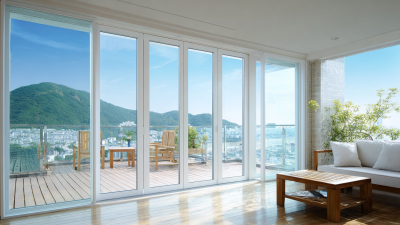
How to Choose the Right Picture Windows for Your Home?
Choosing the right Picture Windows begins with understanding how your rooms actually live throughout the day. Morning light, summer heat, street noise, and winter drafts all influence the decision. A large glass area can make a small living room feel open, but it can also expose furniture to fading and create uncomfortable glare.
Architect Frank Lloyd Wright once said, “There are two kinds of light—the glow that illuminates, and the glare that obscures.” His observation remains useful when comparing window size, glass coatings, and room orientation. North-facing Picture Windows usually provide soft, consistent light. South- and west-facing windows may require low-emissivity glass, exterior shading, or carefully selected solar heat-gain ratings. The right choice depends on your climate, too.
Look for tested performance data from recognized certification programs. Check the window’s U-factor, solar heat-gain coefficient, visible transmittance, and air-leakage rating. These numbers reveal more than attractive showroom displays. A window with excellent glass can still perform poorly when installed without proper flashing and insulation. Installation matters greatly.
Practical details deserve attention. Can the frame match your home’s architecture? Will the fixed sash remain easy to clean? Does the view justify the cost? Sometimes, the biggest window is not the best window. That is easy to forget.
There is no perfect Picture Windows package. A thoughtful choice balances daylight, energy performance, comfort, maintenance, and personal taste. Speak with a qualified window professional, review local conditions, and inspect samples beside your actual walls. Your home may need less glass than you first imagined.
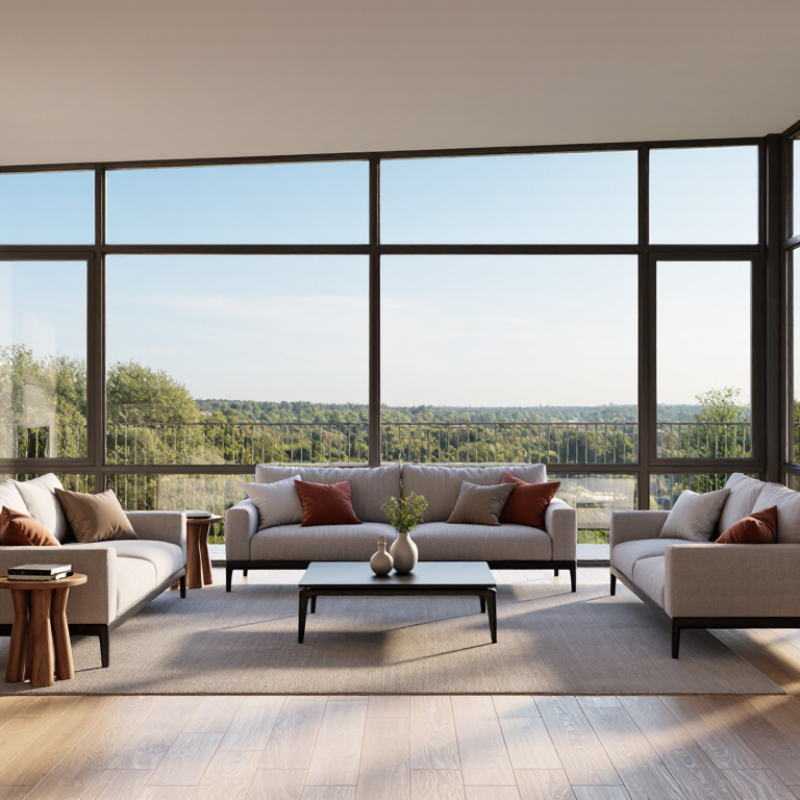
Define Your Home’s Window Needs and Design Goals
Before choosing picture windows, define what your home needs each room to do. Picture windows do one job exceptionally well: they frame light, scenery, and architecture. They do not open. If a room needs fresh air, pair the fixed glass with an operable window nearby. I have seen beautiful installations feel inconvenient because ventilation was treated as an afterthought.
Study the wall’s direction, too. South- or west-facing glass may bring strong afternoon heat and glare. Low-emissivity glass, interior shades, and carefully sized overhangs can improve comfort. In colder areas, compare insulation ratings and ask how the frame performs during seasonal temperature changes. A qualified installer should inspect the opening, flashing, drainage path, and surrounding structure before quoting the work. Measurements from a quick tape check are not enough.
Your design goals should be specific. Do you want an uninterrupted garden view, a brighter hallway, or a calm reading corner? Consider sightlines from sofas, beds, and standing areas. A wide window can make a small room feel open, yet it may reduce privacy at night. Translucent coverings can help, although they soften the view. The exterior proportions also matter; a window that looks balanced indoors may appear awkward beside the roofline. I once favored maximum glass over wall space, and the room later felt less practical. Reconsider furniture placement before finalizing the size. Check local building requirements, safety glazing rules, and maintenance access with a qualified professional.
Compare Picture Window Sizes, Shapes, and Configurations
How to Choose the Right Picture Windows for Your Home?
Picture windows can make a room feel wider, but their size must suit the wall. Measure the opening, ceiling height, furniture, and exterior view before choosing dimensions. A large window may frame a beautiful garden, yet it can also create strong afternoon glare and higher heat gain. Fixed glass does not provide ventilation, so room airflow needs another solution.
Compare shapes carefully. Rectangular windows offer clean sightlines and simpler furniture planning. Square designs can balance compact walls, while arched or trapezoid shapes add character but usually cost more to manufacture and install. Configurations also change the experience. A single wide picture window gives an uninterrupted view. Pairing it with narrow operating windows adds ventilation and emergency access where building rules allow. Combining a fixed center panel with side windows may look practical, though the extra frames reduce the visible glass area.
Tips: Use painter’s tape to mark the proposed frame on the wall. Watch the view from seated and standing positions. Check morning and afternoon sunlight. Ask a qualified installer about structural support, glazing performance, drainage, and local requirements. I once preferred the largest possible window, but the room became uncomfortably bright. A slightly smaller unit, with better shading, would have served us better. Measure twice. Live with the outline for a few days.
Choose Glazing Options for Light, Comfort, and Energy Efficiency
How to Choose the Right Picture Windows for Your Home?
The glazing you choose controls more than daylight. It affects indoor temperature, fading, glare, and monthly energy use. Double glazing is often a practical starting point for moderate climates. Triple glazing can provide better insulation in colder regions, but it adds weight, cost, and installation demands.
Look for low-emissivity coatings that reduce unwanted heat transfer. In winter, they help retain warmth near the glass. In summer, suitable coatings can limit solar heat gain. Argon-filled spaces may improve insulation, while warm-edge spacers can reduce cold edges and interior condensation. Check the window’s U-factor, solar heat gain coefficient, and visible transmittance. Lower U-factors generally mean better insulation. However, maximum insulation is not always the best answer. A south-facing window may need different glazing from a shaded north-facing one.
Tips: Match glazing to your climate and window direction. Choose higher visible transmittance where daylight matters. Consider lower solar heat gain for hot, sunny rooms. Ask for independent performance ratings, not vague sales claims. An experienced installer should also inspect drainage, sealing, and frame alignment. Even excellent glass performs poorly when fitted badly. I would also test a sample near the room’s brightest wall; glare can be surprisingly uncomfortable. Reflect on the view, too. More glass brings more light, but it may reduce privacy and increase cleaning time.
How to Choose the Right Picture Windows for Your Home? — Choose Glazing Options for Light, Comfort, and Energy Efficiency
| Glazing Option | Typical Construction | Visible Light Transmission | Heat Gain and Energy Performance | Comfort and Condensation Control | Best Use Cases | Relative Cost |
|---|---|---|---|---|---|---|
| Clear Single Glazing | One pane of clear glass, typically about 3–6 mm thick. | Very high | Lowest insulation performance; allows substantial heat transfer. | Limited Interior glass can feel cold in winter and hot in summer. |
Mild climates, garages, seasonal rooms, or historically appropriate restorations. | Low |
| Clear Double Glazing | Two panes separated by an insulating air or gas-filled space. | High | Better insulation than single glazing; performance depends on spacer, gas fill, and frame. | Good Reduces interior surface temperature swings and outside noise. |
General residential applications where balanced daylight and comfort are priorities. | Moderate |
| Low-E Double Glazing | Double glazing with a microscopically thin low-emissivity coating. | Moderate to high | Strong all-season efficiency; reflects infrared heat while preserving useful daylight. | Excellent Helps keep rooms warmer in winter and cooler in summer. |
Most homes, especially living rooms with large areas of glass. | Moderate to high |
| Low-E Triple Glazing | Three panes with two insulating cavities and low-emissivity coatings. | Moderate to high | Very high insulation and improved thermal performance in cold climates. | Excellent Provides warmer interior glass and strong condensation resistance. |
Cold climates, energy-efficient homes, and windows facing severe winter conditions. | High |
| Low-Solar-Gain Low-E Glazing | Low-E glass designed to limit the amount of solar heat entering the room. | Moderate | Excellent for reducing summer heat gain and cooling demand, especially on sunny exposures. | Very good Helps reduce overheating near large south- or west-facing windows. |
Hot climates, sunny façades, and rooms with frequent summer overheating. | Moderate to high |
| High-Solar-Gain Low-E Glazing | Low-E glass that admits more solar heat while retaining interior warmth. | Moderate to high | Can provide useful passive solar heat during winter but may increase summer cooling loads. | Good Works best when shading and orientation are carefully planned. |
Cold climates and sun-facing windows intended to contribute to winter heating. | Moderate to high |
| Tinted or Solar-Control Glazing | Glass with an integrated tint or solar-control layer that reduces glare and solar radiation. | Moderate to low | Reduces solar heat gain and glare; darker tints can reduce daylight and alter color perception. | Good Useful where glare and radiant heat are major concerns. |
Bright rooms, large west-facing windows, and spaces with glare-sensitive screens. | Moderate to high |
| Laminated Glazing | Two glass layers bonded to a resilient interlayer. | High | Thermal performance varies; insulation improves when laminated glass is combined with double glazing. | Good Can improve acoustic comfort and remains held together if fractured. |
Homes near traffic, areas requiring enhanced safety, and large or low-level picture windows. | High |
Note: Actual performance depends on glass coatings, cavity width, gas fill, spacer design, frame material, window size, orientation, local climate, and installation quality. Compare certified U-factor, solar heat gain coefficient, visible transmittance, and air-leakage ratings for the complete window assembly rather than glass alone.
Evaluate Frame Materials, Installation Requirements, and Maintenance
Picture windows can make a room feel larger, but the frame deserves careful attention. I have found that vinyl frames offer low maintenance and steady performance in many climates. Wood frames provide warmth and can suit traditional interiors, but they need regular sealing and repainting. Aluminum frames are slim and strong, although they may transfer heat without a thermal break. Fiberglass can resist warping, yet its higher price may affect your budget.
Installation requirements vary with wall structure, window size, and local weather. A large picture window adds weight, so the opening must be measured accurately and supported correctly. Check drainage paths, insulation around the frame, and the exterior flashing. Poor flashing can allow water behind the wall. I once underestimated afternoon sun exposure. The room became uncomfortably warm. That mistake changed how I assess glass coatings and window orientation.
Tips: Compare frame samples in morning and evening light. Ask the installer how the opening will be prepared. Confirm ventilation needs before choosing a fixed design. Review maintenance access, especially for high windows. A soft cloth and mild cleaner usually protect the glass, but abrasive tools can leave permanent marks. Request written installation details and warranty terms. If the advice sounds vague, pause. Good planning feels less exciting, but it prevents expensive corrections.
Match the Final Picture Window Choice to Your Budget and Home Style
How to Choose the Right Picture Windows for Your Home?
Match the Final Picture Window Choice to Your Budget and Home Style
A picture window should frame your best view without overwhelming the room. Measure the wall, furniture, and surrounding trim before choosing its size. A wide glass panel can make a small living room feel open. It can also increase afternoon glare and indoor heat. Think about that trade-off.
Your budget should cover more than the window itself. Include delivery, removal, installation, interior finishing, and possible structural changes. Energy performance matters too. A low U-factor can reduce heat transfer, while the right solar heat gain coefficient suits your climate. Ask a qualified installer for written estimates and warranty details. Small omissions can become expensive surprises.
Style should guide the frame, glass, and proportions. Clean-lined frames suit modern rooms, while wider trim can complement traditional homes. Consider how the window looks from outside, not only from the sofa. I once treated maximum glass as the best choice, but that was too simple. A slightly smaller window may leave space for shading and improve comfort. Check local requirements before ordering, especially when enlarging an opening. Test the layout with cardboard at full scale. Stand there in morning and evening light. Your first choice may still change.
Related Posts
-
Enhancing Energy Efficiency: Case Studies of Best Aluminium Doors and Windows Solving Common Industry Challenges
-
Maximizing Value with Expert Residential Glass Repair Solutions for Sustainable Homes
-
Finding Top Quality Suppliers for Best Bifold Patio Doors without Compromise
-
2026 Best Window And Door Replacement Suppliers?
-
How to Choose the Best French Windows for Your Home?
-

Top 10 Best Commercial Window Replacement Options for Your Business?