10 Essential Tips for Cost-Effective Home Window Glass Replacement
In the realm of home improvement, one of the most crucial yet often overlooked aspects is the timely and cost-effective replacement of window glass. According to a report by the National Association of Home Builders (NAHB), approximately 30% of a home's energy is lost through inefficient windows, indicating that regular maintenance and replacement can lead to significant energy savings. With rising energy costs, homeowners are increasingly looking for ways to enhance their home's insulation and efficiency through effective Home Window Glass Replacement strategies.
Industry expert John Smith, a renowned consultant in home renovations, emphasizes the importance of choosing the right time and method for glass replacement: "Investing in quality window glass can save homeowners up to 25% on their energy bills annually." His insights, combined with research from the Department of Energy, reveal that the upfront cost of replacing window glass pays off within a few years, especially when done thoughtfully.
As we delve into the ten essential tips for cost-effective Home Window Glass Replacement, homeowners will gain valuable knowledge that not only enhances their property’s aesthetic appeal but also promotes energy conservation and financial prudence. By making informed choices, individuals can transform their living spaces while contributing to a more sustainable future.
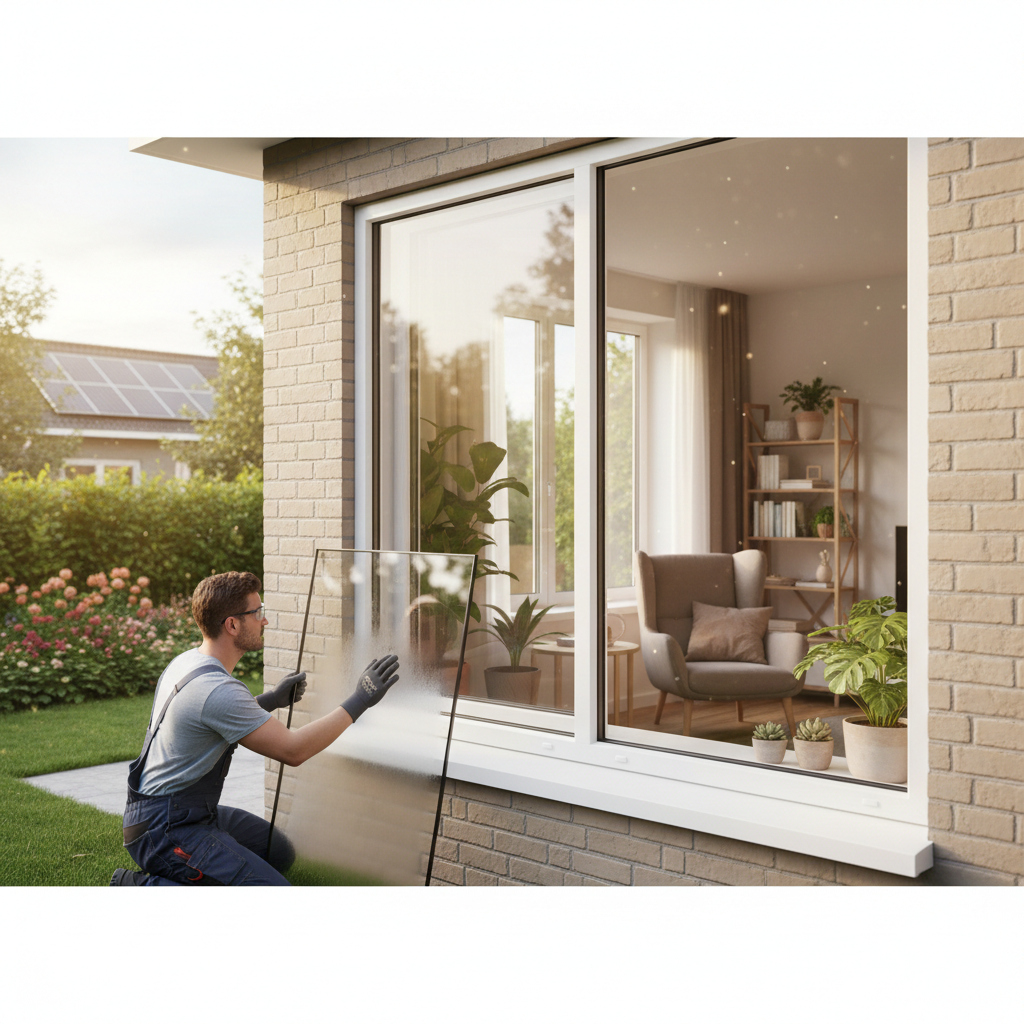
Understand the Different Types of Window Glass for Replacement Costs
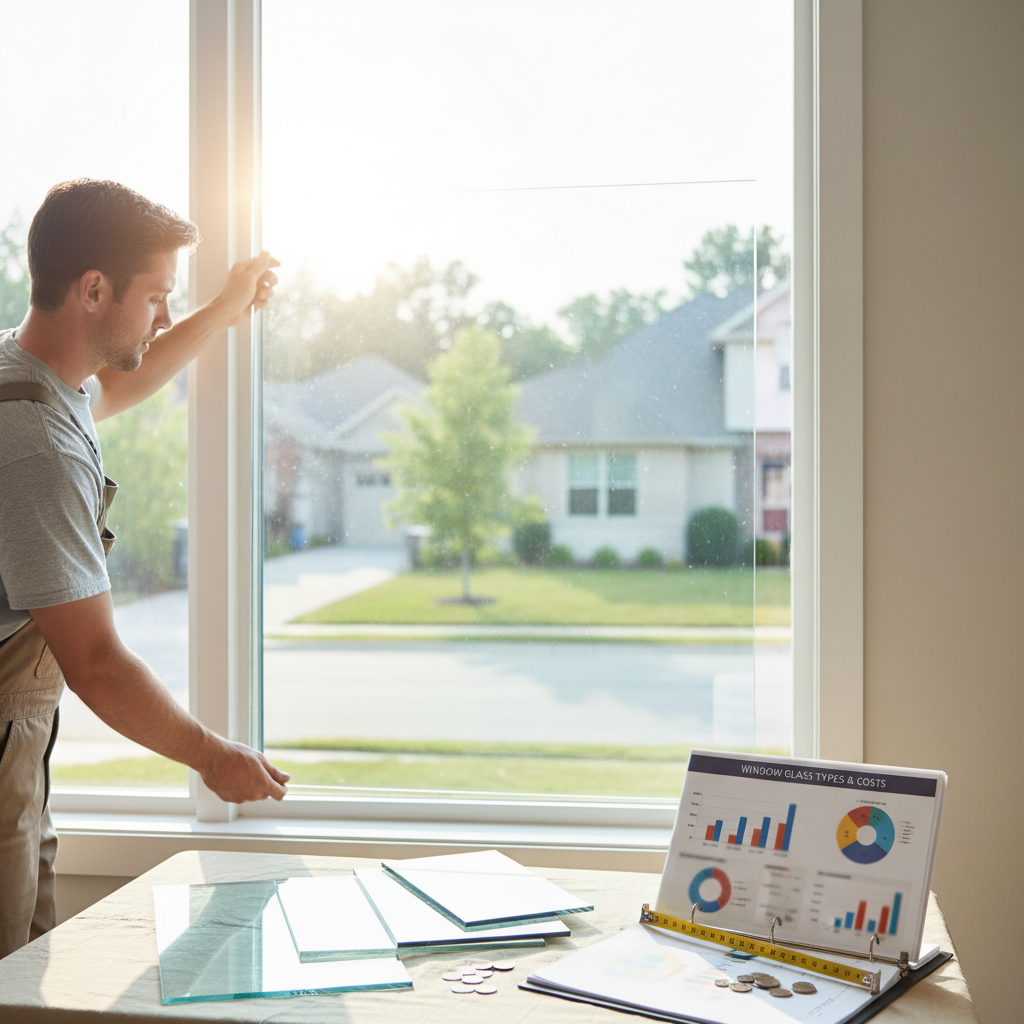
When it comes to home window glass replacement, understanding the different types of glass can significantly impact overall costs. According to a report by the National Glass Association, the average cost for window glass replacement ranges from $200 to $800 per window, depending on the type of glass chosen. Standard float glass is the most affordable option, often costing between $2 to $5 per square foot. However, for homeowners seeking added energy efficiency or noise reduction, options such as Low-E (low emissivity) or laminated glass can range from $5 to $15 per square foot, potentially increasing installation costs.
Additionally, tempered glass, known for its safety features and durability, often comes at a premium, costing roughly $10 to $20 per square foot. A study from the U.S. Department of Energy indicates that using energy-efficient glass can save homeowners between 10% to 25% on heating and cooling costs annually. Therefore, while the upfront costs might be higher, investing in quality glass can result in significant long-term savings, making it essential for homeowners to weigh their options carefully and select the best glass type for their specific needs and budget.
Evaluate the Damage: When Glass Replacement is Necessary
When considering home window glass replacement, the first step is to evaluate the damage to determine if replacement is truly necessary. According to a report by the National Glass Association, around 40% of residential energy loss is attributed to inefficient windows. This not only raises energy bills but also impacts the overall comfort of your home. If you notice cracks, chips, or fogging between panes, these issues often indicate a compromised structure, which can lead to further problems down the line.
In some cases, minor damages can be repaired; however, significant cracks or widespread fogging are clear signals that glass replacement is needed. A study by the American Architectural Manufacturers Association shows that replacing windows can yield an estimated return on investment of up to 70% when homeowners sell their property. By promptly addressing the need for replacement, homeowners can save on energy costs and enhance the property's value while ensuring safety and aesthetic appeal. Regular inspections and timely evaluations of window conditions are crucial in making informed decisions about necessary replacements.
Window Glass Replacement Cost Analysis
Compare Quotes from Multiple Glass Replacement Services
When considering window glass replacement, one of the most crucial steps is to compare quotes from multiple glass replacement services. This not only helps you gauge the market rate but also allows you to identify potential savings. Each service may offer different pricing structures based on materials, labor, and warranty, so obtaining several estimates can provide a clearer picture of the overall costs involved. It's important to understand what each quote includes — some may seem cheaper at first glance but could lack essential services or materials.
In addition to cost, take note of the reputation and reviews of each service. A low quote from an unreliable provider may end up costing more in the long run if the quality of work is subpar or if they don’t honor warranties. Look for companies that offer transparent pricing and detailed breakdowns, as these can help you make an informed decision. By investing the time to compare and investigate multiple quotes, you ensure that you not only save money but also secure a quality replacement job for your home windows.
10 Essential Tips for Cost-Effective Home Window Glass Replacement
| Tip |
Description |
Estimated Cost Savings |
Time Required |
| 1. Get Multiple Quotes |
Request estimates from at least three different glass replacement services. |
Up to 20% savings |
1-2 hours |
| 2. Choose Energy-Efficient Glass |
Opt for double-glazed or low-E glass to reduce heating and cooling costs. |
15% on energy bills |
Varies with installation |
| 3. DIY for Minor Repairs |
Consider repairing small cracks or chips yourself using a repair kit. |
50% or more |
1 hour |
| 4. Regular Maintenance |
Clean and inspect windows regularly to avoid bigger problems later. |
Varies |
30 minutes |
| 5. Buy Directly from Manufacturers |
Purchase glass directly from manufacturers to skip markup from retailers. |
Up to 10% savings |
1 day (ordering) |
| 6. Check for Rebates |
Look for local or federal rebates for energy-efficient glass replacement. |
Varies, potentially up to 30% |
1 hour |
| 7. Timing Your Replacement |
Schedule replacements in the off-season to take advantage of lower rates. |
Up to 15% savings |
2-3 weeks |
| 8. Ask About Discounts |
Inquire about seasonal promotions or bulk service discounts. |
Varies, often 5-10% |
1 hour |
| 9. Use Local Services |
Utilize local glass shops to reduce shipping and handling fees. |
10% or more |
Varies |
| 10. Review Contracts Carefully |
Ensure you understand all terms to avoid hidden fees. |
Potentially avoids future costs |
1-2 hours |
Consider DIY Replacement for Savings: Tools and Techniques
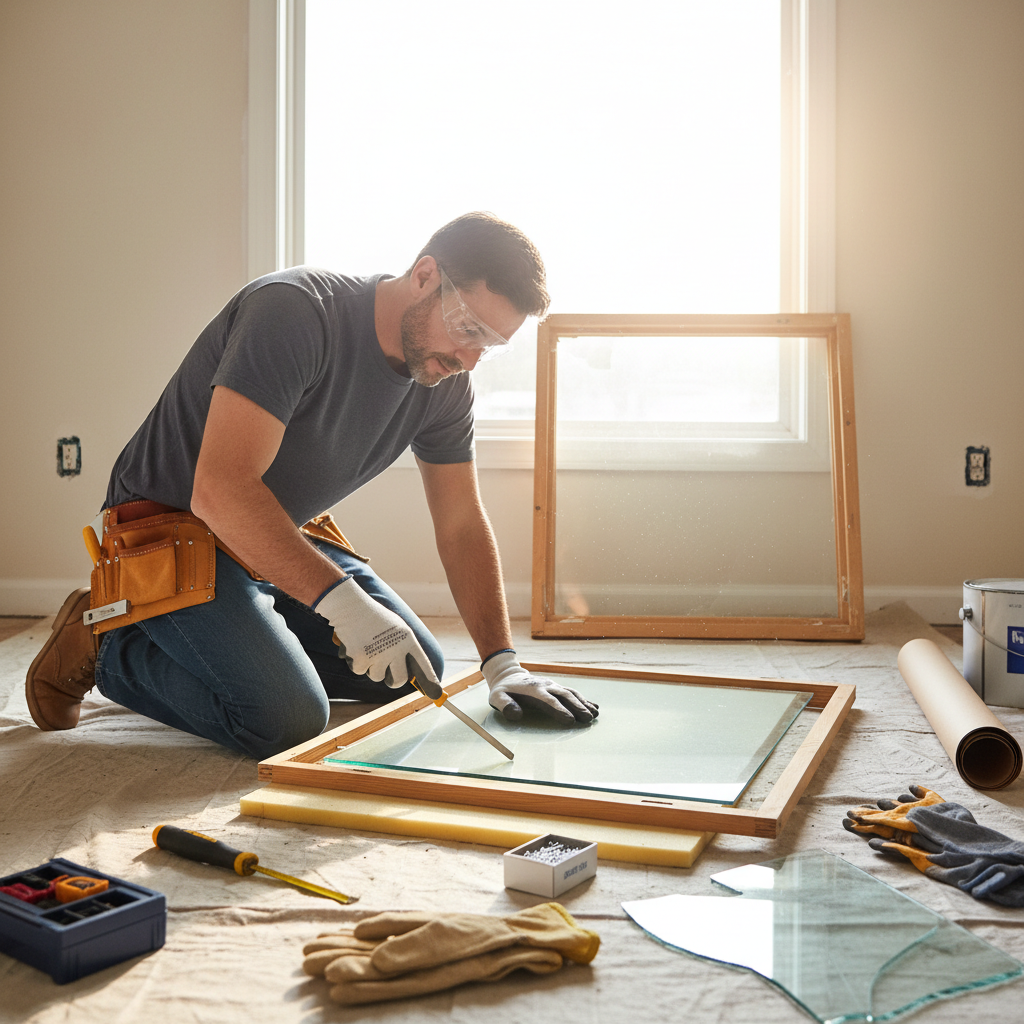
When it comes to replacing home window glass, one of the most cost-effective methods is to consider a DIY approach. This not only saves money on labor costs but also empowers you to take control of your home improvements. Before you begin, ensure you gather the right tools, such as a glass cutter, safety goggles, and glazier’s points. Familiarize yourself with the techniques to handle glass safely and effectively, as this will minimize risks and lead to better results.
One essential tip is to measure your window dimensions accurately before purchasing replacement glass. This ensures a proper fit, eliminating costly mistakes. Additionally, when working with old frames, inspect for any signs of damage or rot that might require attention before installing new glass. Lastly, practice patience and take your time during the installation process; rushing can lead to errors and extra expenses. By following these guidelines and utilizing the right tools, you can achieve a successful window glass replacement while keeping costs low.
Explore Energy-Efficient Glass Options to Lower Future Costs
When considering window glass replacement, focusing on energy-efficient options can significantly reduce long-term costs. According to the U.S. Department of Energy, energy-efficient windows can save homeowners an average of $126 to $465 annually on energy bills, depending on the home's location and existing window conditions. Opting for double or triple-glazed glass, which is designed to provide superior insulation, can help homeowners maintain a comfortable indoor temperature throughout the year while decreasing reliance on heating and cooling systems.
Additionally, low-emissivity (Low-E) glass is another excellent option to explore. This type of glass is coated with a special material that reflects heat back into the home during winter and deflects UV rays in the summer. Reports from the National Renewable Energy Laboratory (NREL) indicate that using Low-E glass can lead to savings of up to 30% on heating and cooling costs when compared to standard single-pane glass. By investing in energy-efficient window glass, homeowners not only decrease their immediate expenses but also contribute to a more sustainable environment while increasing their home's overall value.