What is Energy Efficient Windows and How Can They Save You Money
As energy costs continue to rise, homeowners are increasingly seeking innovative solutions to reduce their bills, and one of the most effective ways to achieve this is through the installation of Energy Efficient Windows. According to John Smith, an industry expert with over two decades of experience in sustainable building practices, "Investing in Energy Efficient Windows not only helps to lower energy costs but also enhances the comfort and value of your home." This testimony underscores the importance of choosing windows designed to minimize energy loss and maximize efficiency.
Energy Efficient Windows are engineered with advanced technologies, such as low-emissivity coatings and multiple panes, which significantly improve insulation and reduce the amount of heat lost in the winter and unwanted heat gained in the summer. By effectively managing temperature and reducing reliance on heating and cooling systems, these windows can lead to substantial savings over time. Additionally, the environmental benefits of reducing energy consumption support a more sustainable future, making Energy Efficient Windows an attractive choice for eco-conscious homeowners.
This article will explore the definition and features of Energy Efficient Windows, their financial advantages, and the long-term benefits they offer not only for individual households but also for the broader environment. By understanding the ways in which these windows can save money and enhance living conditions, readers can make informed decisions about their home improvements.
What Are Energy Efficient Windows?
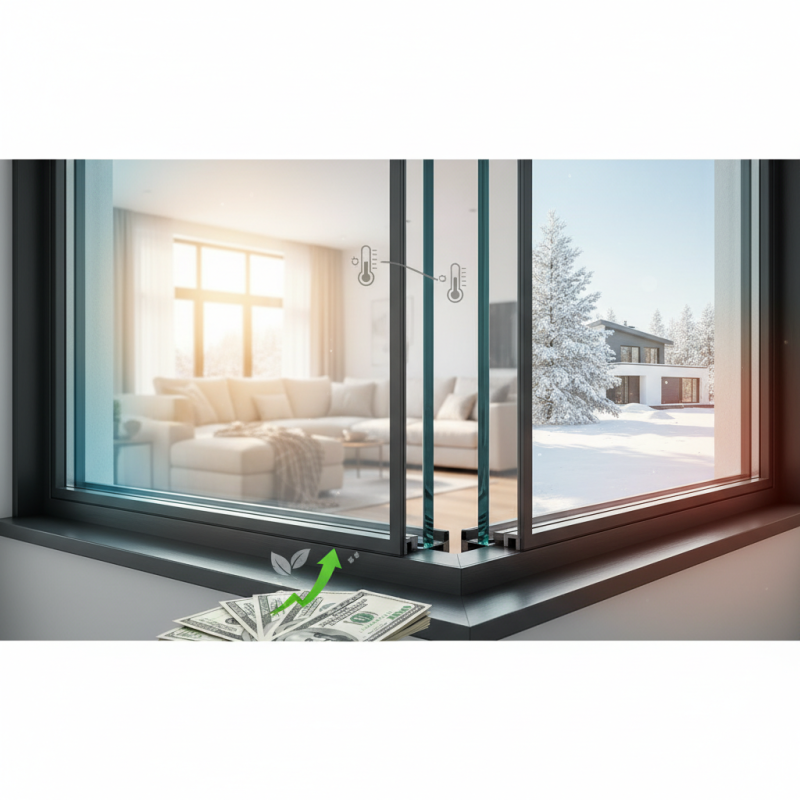
Energy efficient windows play a critical role in enhancing a home’s insulation, reducing energy consumption, and ultimately saving homeowners money on utility bills. These windows are designed to minimize heat transfer, keeping your home cooler in the summer and warmer in the winter. They typically feature multiple glazing layers, low-emissivity (low-E) coatings, and gas fills, which collectively improve their energy performance compared to standard windows.
Regarding tips for selecting energy efficient windows, consider the installation process as crucial as the windows themselves. Proper installation ensures that gaps aren’t left to allow air leaks, significantly undermining the windows' efficiency. Additionally, look for windows certified by energy efficiency programs, as these ratings provide assurance that the windows meet rigorous performance standards. Lastly, when deciding on window styles, opt for designs that maximize natural light while maintaining energy efficiency, such as casement or double-hung windows.
Incorporating accessories like thermal curtains or insulated blinds can further enhance the energy efficiency of your new windows. Not only do these additions provide an extra layer of insulation, but they also help in regulating indoor temperature, thereby reducing reliance on heating and cooling systems. Choosing the right combination of energy efficient windows and supportive elements can lead to greater comfort and financial savings throughout the year.
The Science Behind Energy Efficiency in Windows
Energy-efficient windows are designed to minimize heat transfer between the interior of a home and the outside environment, which significantly reduces energy consumption. The science behind this efficiency lies in the use of advanced glazing technologies, including low-emissivity (Low-E) coatings that reflect heat back into the home during winter while blocking excessive heat from entering during summer. According to the U.S. Department of Energy, energy-efficient windows can reduce heating and cooling costs by 7-15%, equating to hundreds of dollars annually for a typical household.
In addition to coatings, the construction of energy-efficient windows often incorporates multiple glazing layers filled with inert gases like argon or krypton, which act as insulation barriers. Research conducted by the National Renewable Energy Laboratory indicates that homes equipped with energy-efficient windows can save up to 12% on energy bills compared to those with standard single-pane windows. The overall performance of these windows is further enhanced by improved frame materials that resist heat loss, contributing to a more consistent indoor temperature and improved comfort for occupants. The combination of these technologies makes energy-efficient windows a crucial element in modern energy-saving home design, aligning with both economic and environmental goals.
Benefits of Installing Energy Efficient Windows
Installing energy-efficient windows can offer a multitude of benefits for homeowners looking to enhance comfort while reducing costs. One of the primary advantages is the significant reduction in energy consumption. These windows are typically designed with advanced insulation properties that help maintain a stable indoor temperature. By minimizing heat loss during the winter and keeping out unwanted heat in the summer, homeowners can rely less on heating and cooling systems, resulting in lower energy bills.
Moreover, energy-efficient windows not only contribute to cost savings but also improve the overall aesthetic and value of a home. By offering various styles and designs, these windows can enhance curb appeal while providing better natural light and visibility. Additionally, many energy-efficient windows come with features that reduce UV exposure, protecting interiors from fading and extending the life of furnishings. Overall, the combination of savings and added comfort makes installing energy-efficient windows a prudent choice for any homeowner looking to invest in their property’s future.
Energy Savings from Energy Efficient Windows
Installing energy-efficient windows can lead to significant savings on various costs associated with home energy use. The chart above illustrates average annual savings across four categories that benefit from energy-efficient window upgrades.
Cost Savings Over Time with Energy Efficient Windows
Energy-efficient windows play a critical role in reducing energy costs over time, making them a sound investment for homeowners. By minimizing heat transfer, these windows help maintain a stable indoor temperature, which reduces the dependence on heating and cooling systems. Consequently, homeowners experience lower energy bills, particularly in regions with extreme weather conditions. The initial expense of upgrading to energy-efficient windows can be balanced out by the significant savings on monthly utility charges.
In addition to lower energy costs, energy-efficient windows can also contribute to long-term financial benefits through increased property value. Homes equipped with these windows are often more attractive to buyers, leading to a higher resale value. Furthermore, many energy-efficient windows come with warranties and require less maintenance than traditional windows, adding to their appeal as a cost-effective choice over time. Overall, investing in energy-efficient windows is not just about immediate savings; it’s also about fostering a more sustainable living environment and enhancing the overall value of your home.
Choosing the Right Energy Efficient Windows for Your Home
Choosing the right energy-efficient windows for your home requires careful consideration of various factors to maximize both comfort and savings. First, it’s essential to look at the window frame material, as different materials offer varying levels of insulation and durability. For instance, vinyl frames are known for their energy efficiency and low maintenance, while wood frames provide excellent insulation but may require more upkeep. Additionally, the glazing options, such as double or triple-pane glass, can significantly impact energy efficiency by reducing heat transfer.
Another critical aspect to consider is the energy efficiency rating, often indicated by the National Fenestration Rating Council (NFRC) label. This rating provides valuable information on the window’s U-factor, solar heat gain coefficient, and visible transmittance. Opting for windows with lower U-factors will ensure better insulation, keeping your home warm in the winter and cool in the summer. Furthermore, consider the orientation of the windows in relation to your home and the local climate; strategic placement can harness natural light and reduce reliance on artificial heating and cooling, further enhancing energy savings over time.
What is Energy Efficient Windows and How Can They Save You Money
| Window Type |
U-Value (BTU/hr·ft²·°F) |
Solar Heat Gain Coefficient (SHGC) |
Estimated Savings (Annual) |
Lifespan (Years) |
| Double Glazing |
0.30 |
0.25 |
$200 |
15-20 |
| Low-E Coated |
0.28 |
0.20 |
$250 |
20-25 |
| Triple Glazing |
0.20 |
0.18 |
$300 |
25-30 |
| Gas-Filled Windows |
0.25 |
0.22 |
$220 |
15-20 |