How to Choose the Right Window and Door Replacement for Your Home?
Replacing windows and doors can significantly enhance your home's energy efficiency and curb appeal. According to the Window and Door Manufacturers Association (WDMA), homeowners can expect a return of up to 70% on their investment in a quality Window and Door Replacement. However, selecting the right products can be daunting. Factors like climate, style, and materials matter.
Industry expert James Delisle emphasizes the importance of careful selection. He once stated, "Choosing the correct windows and doors is crucial for both comfort and value." This highlights the need for thoughtful consideration in every decision made. While many homeowners rush to choose based on price alone, this approach can sacrifice long-term savings and aesthetics.
The decision-making process requires reflection. Have you considered how your preferences align with industry advancements? Today’s market offers a range of options. Energy-efficient products may cost more upfront but can lead to significant energy savings over time. Additionally, understanding your local climate is vital. A window that performs well in one area may not be suitable in another.
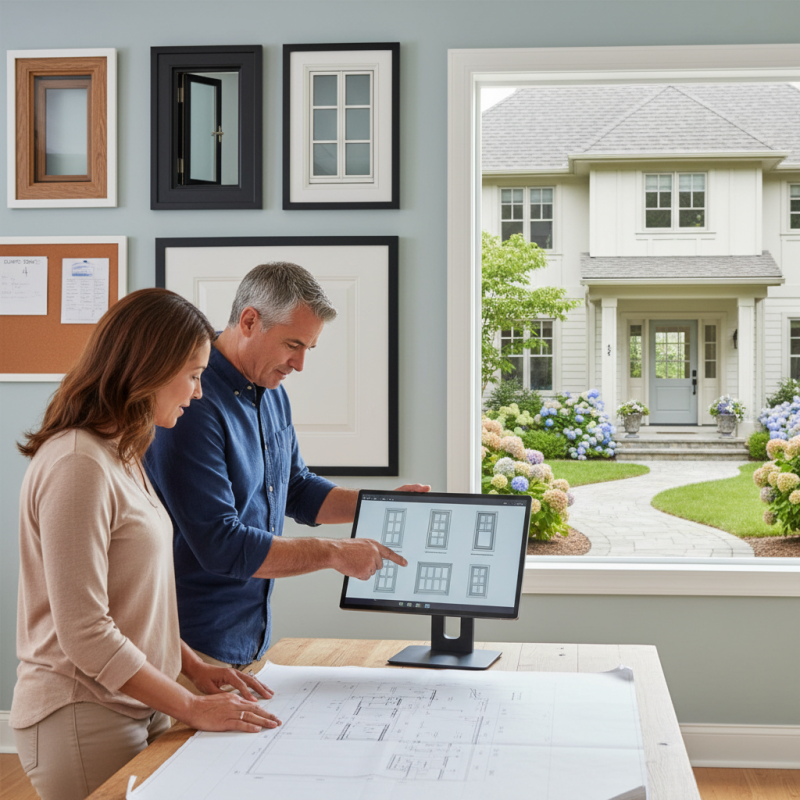
Factors to Consider for Window and Door Replacement Selection
When it comes to replacing windows and doors, several factors play a critical role in the decision-making process. One important factor is energy efficiency. According to the U.S. Department of Energy, homes can lose 30% of their heating energy through inefficient windows. Choosing ENERGY STAR-rated products can significantly reduce energy costs. Homeowners often overlook this, leading to higher bills.
Another essential consideration is materials. Vinyl, wood, and fiberglass all offer different benefits. For instance, wood provides great insulation but requires more maintenance. Vinyl is lower in maintenance but may not have the same aesthetic appeal. According to a recent report by Remodeling Magazine, homeowners can expect a 70% return on investment for quality window replacements.
Lastly, security features are often neglected. Many new windows and doors come with advanced locking systems. Investing in strong hardware can enhance safety without overstepping budget constraints. It’s tempting to prioritize aesthetics over security. However, neglecting safety measures can lead to regrettable outcomes. Assess your needs carefully.
Energy Efficiency Ratings: Understanding U-Factor and Solar Heat Gain
When considering window and door replacement, energy efficiency is crucial. Two key metrics to understand are
U-Factor and
Solar Heat Gain. The U-Factor measures how well a window insulates. A lower U-Factor indicates better insulation, keeping the cold out in winter and the heat out in summer. Homeowners often overlook this rating. It's more than just a number; it reflects comfort and energy savings.
Solar Heat Gain is another important rating. This measures how much solar radiation passes through a window. Higher numbers mean more heat enters the home. This might be beneficial in colder climates but can be problematic in warmer areas. Many people forget to check this when selecting windows.
Balancing these ratings is essential for energy efficiency.
Choosing the right windows also involves reflecting on personal needs. Consider your home's orientation and climate. You might prefer more natural light, yet this could increase cooling costs in summer.
Analyze your living space and think beyond aesthetics. Are you truly maximizing energy efficiency?
Material Options: Comparing Vinyl, Wood, and Aluminum Durability
When choosing window and door replacements, material durability plays a crucial role. Three popular options are vinyl, wood, and aluminum. Each has its strengths and weaknesses.
Vinyl is often favored for its resilience and low maintenance. It doesn't warp easily and resists weather damage well. However, it can fade over time and lacks the traditional appeal of natural materials.
Wood offers a beautiful aesthetic and excellent insulation. It can be stained or painted to match any home’s design. However, wood requires regular maintenance to prevent rot and insect damage. Homeowners may find themselves frequently sealing and painting to keep it looking good.
On the other hand, aluminum offers remarkable strength. It's resistant to rust and can endure harsh weather. But, aluminum can be prone to denting and is less insulating than other materials.
Each material demands reflection on your lifestyle and home requirements. Vinyl may suit those seeking practicality but can compromise visual charm. Wood may attract those valuing beauty, yet it requires ongoing care. Aluminum strikes a balance but may not fit everyone’s energy efficiency goals. Choosing the right replacement means weighing these diverse characteristics against personal needs.
Styles and Aesthetics: Matching Windows and Doors to Your Home Design
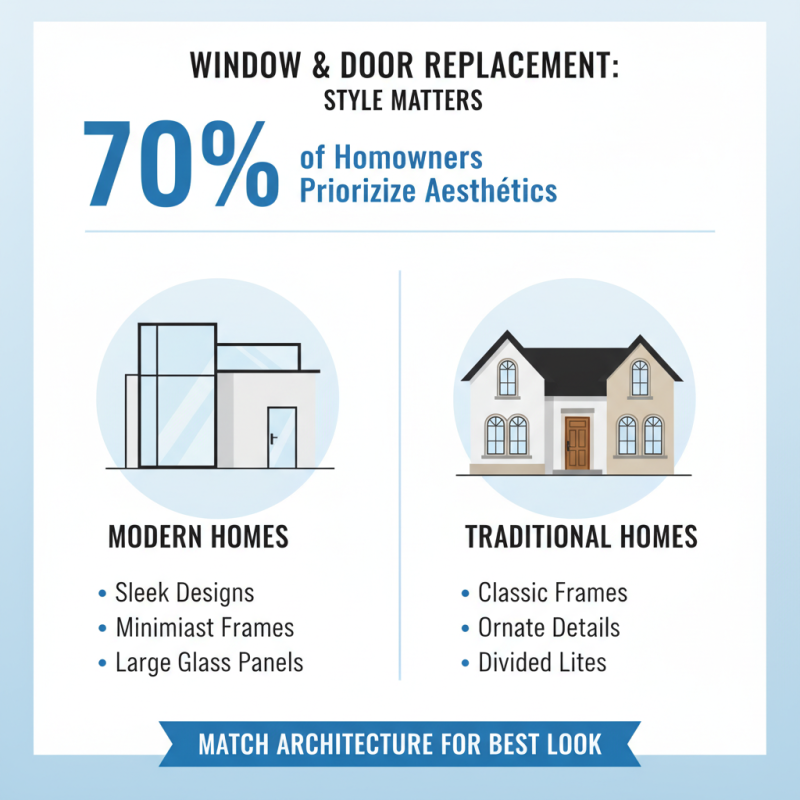
When considering window and door replacements, style matters significantly. Your home's architecture should influence your choice. For instance, a modern home benefits from sleek, minimalist designs. Conversely, traditional homes often look best with classic, decorative frames. Research shows that 70% of homeowners choose replacements based on aesthetics.
Color is another crucial factor. Neutral tones are versatile and can complement various styles. Bright colors can make a bold statement but may not always suit every home motif. It's important to test samples in different light conditions before making a final decision. A window that looks great in the store might clash with your home's facade.
Think about materials, too. Wood offers warmth, while vinyl provides durability at a lower cost. However, wood requires maintenance that some homeowners may not want to tackle. According to industry reports, 50% of homeowners regret their choice of materials after installation. Reflect on your lifestyle and how much effort you're willing to invest. Making a choice that aligns with both aesthetics and practicality can be challenging but necessary for long-term satisfaction.
Cost-Benefit Analysis: Assessing Investment Versus Long-Term Savings
When considering window and door replacement, a cost-benefit analysis is essential. Homeowners should evaluate the initial investment against potential long-term savings. New windows and doors can indeed be pricey. However, they often lead to significant savings on energy bills over time.
Energy-efficient windows reduce heat loss in winter and keep homes cooler in summer. With that, your HVAC system works less. This can equate to significant savings. But it's worth noting that not all replacements yield the same benefits. Carefully assess your needs before making a decision.
Consider the materials. Vinyl, wood, and fiberglass have different costs and durability. Installation also impacts overall expenses. Yet, cheaper options can lead to higher maintenance costs. Reflect on how important longevity and efficiency are to you. Your choice today will impact your future bills and comfort.
Cost-Benefit Analysis of Window and Door Replacement