How to Choose Clad Wood Windows for Global Buyers?
Choosing the right Clad Wood Windows can significantly impact your home’s aesthetic and energy efficiency. These windows combine natural beauty with durability. They provide the warmth of wood while being protected by an exterior cladding material. This unique combination appeals to many global buyers seeking quality and style.
When selecting Clad Wood Windows, consider your local climate. The type of exterior cladding matters; it should resist moisture and UV damage. Different wood species will perform differently over time. Understanding the finish options can also guide your decision. Certain finishes enhance longevity but may come with maintenance challenges.
Buyers should research suppliers carefully. Quality varies widely, and not all manufacturers adhere to the same standards. Read reviews and consult experts before making a choice. Make a list of your priorities to facilitate the decision-making process. This ensures that your investment adds lasting value to your home while keeping it stylish and energy-efficient.
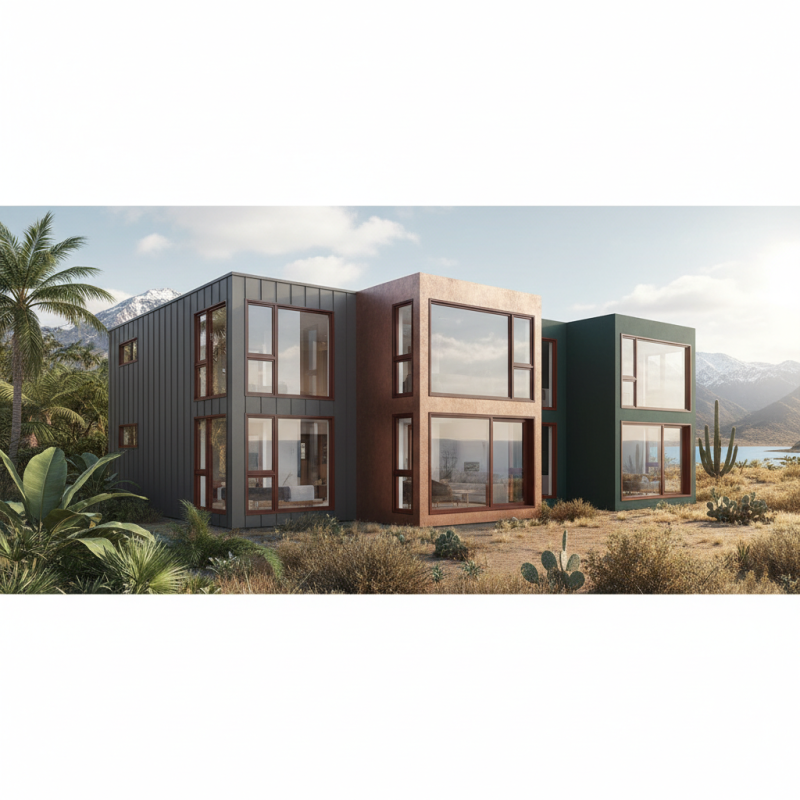
Understanding Clad Wood Windows: Definition and Benefits for Buyers
Clad wood windows combine the warmth of wood with the durability of an exterior cladding, often made from vinyl or aluminum. This unique construction offers enhanced insulation. Research from the U.S. Department of Energy indicates that windows account for 25-30% of residential heating and cooling energy use. Choosing clad wood windows can significantly reduce energy costs.
One major benefit is maintenance. Clad wood windows require less upkeep than traditional wood windows. The protective exterior layer shields the wood from moisture, reducing the risk of rot. According to a study by the American Architectural Manufacturers Association, homeowners can expect 50% less maintenance on clad wood compared to unprotected wood. This appeals to global buyers seeking long-term durability and efficiency.
A potential drawback is cost. Clad wood windows can be pricier than standard wood windows. This can deter some buyers who prioritize budget over performance. However, considering the energy savings and lower maintenance, the initial investment may be justified. Buyers must weigh the upfront costs against future savings and longevity.
Key Factors to Consider When Choosing Clad Wood Windows for Your Project
When selecting clad wood windows, understanding the key factors is essential. One crucial aspect is the wood species used. Different species offer varying levels of durability and aesthetic appeal. For example, cedar is naturally resistant to moisture, while pine may require more maintenance. According to the 2022 Wood Window Institute report, choosing high-quality wood can enhance energy efficiency.
Another factor to consider is the type of cladding material. Options like aluminum or vinyl are popular for their low maintenance. These materials protect wood from weather-related damage. A recent study from the National Fenestration Rating Council highlighted that clad wood windows with proper insulation can reduce energy costs by up to 30%.
Tips: Always check the window's U-factor and solar heat gain coefficient. These ratings impact energy performance. Seek windows that meet local building codes. Also, don't rush the decision; reflect on your specific needs.
Color and finish can significantly affect the aesthetics of your project. It's important to consider how the window complements the building's architecture. Trends indicate that neutral colors are gaining popularity, while bold options are still in demand. When exploring finishes, remember that some paints may chip or fade over time. Making informed choices will ensure lasting satisfaction.
Analyzing the Cost-Effectiveness of Clad Wood Windows in Various Climates
When considering clad wood windows, it's essential to analyze their cost-effectiveness across different climates. Clad wood windows combine the natural beauty of wood with protective exteriors. This duality can enhance their value in various weather conditions. In humid climates, for example, the protective cladding helps to prevent rot and decay, extending the window's lifespan. This results in lower maintenance costs and improves long-term savings.
In colder climates, these windows provide excellent insulation. This can reduce heating costs significantly. However, buyers should reflect on their specific environment before making a decision. An overly insulated window in a mild climate might trap too much heat, leading to increased cooling costs. The balance between energy efficiency and temperature control is delicate and crucial.
Each region's climate brings unique challenges and solutions. It's important to consider factors like UV exposure and humidity levels. Even small differences can affect the performance of clad wood windows. Understanding these aspects can guide buyers toward making informed choices that align with their needs and budgets.
Cost-Effectiveness of Clad Wood Windows in Different Climates
Exploring the Environmental Impact and Sustainability of Clad Wood Windows
Clad wood windows offer an appealing balance of aesthetics and function. They combine the natural beauty of wood with durable exteriors, often made from materials like aluminum or vinyl. These structures can enhance a building's energy efficiency. A report from the U.S. Department of Energy suggests that energy-efficient windows can reduce energy bills by about 12% annually.
However, the production of clad wood windows does raise some environmental concerns. The sourcing of wood, especially from unsustainable forests, impacts biodiversity. According to the Forest Stewardship Council, only 15% of the world's forests are certified, raising awareness about the importance of sustainable practices. Utilizing responsibly sourced wood is crucial for reducing ecological footprints.
Moreover, the lifecycle of these windows merits consideration. End-of-life disposal may lead to landfill issues, especially if not recyclable. While some manufacturers offer recycling programs, they are not widespread. Industry standards urge buyers to evaluate the long-term environmental impacts of their choices. Adopting a holistic view enables better decisions that prioritize sustainability and environmental integrity.
Comparing Popular Clad Wood Window Brands: Performance and Warranty Insights
When selecting clad wood windows, it's crucial to examine various brands based on their performance and warranty. A recent industry report noted that high-quality clad wood windows can improve energy efficiency by up to 30%. This statistic underlines the importance of choosing windows that provide both aesthetic appeal and functional benefits.
Among the top considerations, look at thermal performance ratings. Many brands offer triple glazing options that significantly enhance insulation. Additionally, warranty coverage can vary drastically. Some brands provide a limited lifetime warranty, while others have shorter terms. It's essential to read the fine print on what each warranty covers, especially related to weather-related damages.
Tip: Prioritize brands that offer extensive warranties and clear performance metrics. It's worth reflecting on your local climate when making your selection. The durability of clad wood can be affected by weather exposure. Conduct research and find reviews from actual users. Remember, not all brands may live up to their claims, and firsthand experiences can provide invaluable insights.
