How to Choose 1.5mm Stainless Steel Sheet in 2026
Choosing a 1.5mm Stainless Steel Sheet in 2026 takes more than comparing prices. The right choice depends on where the sheet will be used, how it will be formed, and what it must withstand. A kitchen splashback, an outdoor enclosure, and a machine guard may all need different grades or finishes. The thickness alone cannot tell you whether a sheet will resist corrosion or stay flat after fabrication.
A useful principle from materials-selection expert Michael F. Ashby’s work is to match a material to its job, not its label. This is a paraphrase, not a direct quotation. Start by identifying the service environment: moisture, cleaning chemicals, heat, and contact with other metals can all affect performance. Then check the grade, surface finish, dimensional tolerance, and supplier documentation. Small details matter. A brushed finish may hide light marks, while a polished surface can show them clearly under workshop lighting. Ask whether the quoted thickness is nominal and confirm the tolerance before ordering.
This guide will help you compare common grades, finishes, and fabrication needs, then assess quality and total cost. It will also flag questions worth asking suppliers before purchase. Not every listing gives the same level of detail. That can make comparisons harder, and it is easy to overlook how cutting, bending, or storage may affect the finished part. Use the sections ahead as a practical checklist, and verify specifications against your project requirements before placing an order.
Understand the Properties of 1.5 mm Stainless Steel Sheet
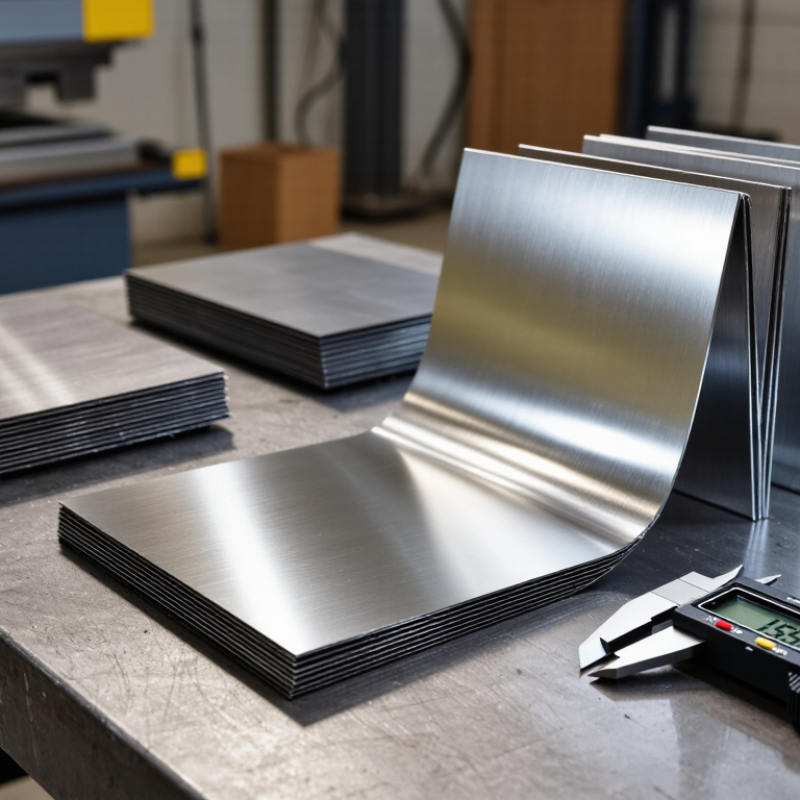
A 1.5 mm stainless steel sheet balances rigidity with workable flexibility. Its performance depends on more than thickness. The stainless grade affects strength, corrosion resistance, and how easily the sheet can be formed. For example, a sheet used near salt spray or cleaning chemicals may need a different grade from one used for an indoor cabinet. Surface finish matters, too: a smooth finish is easier to wipe, while a brushed surface can make light scratches less noticeable. Check the stated thickness tolerance as well. “1.5 mm” may not mean every point measures exactly 1.5 mm.
Tips: Confirm the grade, finish, and tolerance on the material certificate. If possible, measure a sample with a micrometer. A quick visual check is not enough.
Consider how the sheet will be cut, bent, and supported. Tight bends can cause marking or distortion, depending on the grade, tooling, and bend radius. A thin sheet may also vibrate or flex across a wide unsupported span. The trade-off is easy to miss: choosing a thicker sheet can add weight and cost, but choosing by thickness alone can lead to poor performance. Check the intended environment and fabrication method before ordering.
Define the Application and Required Performance
A 1.5mm stainless steel sheet can suit many jobs, but thickness alone does not define performance. Write down what the part must do. A splashback may need easy cleaning and a consistent brushed appearance. An outdoor equipment cover may face rain, salt spray, and repeated handling. A formed bracket must bend without cracking. These are different requirements.
Identify the working environment before choosing a stainless grade. Note contact with moisture, cleaning chemicals, food, or abrasive materials. Also check temperature, expected service life, and whether the surface will be visible. Finish matters. A smooth finish can be easier to wipe, while a textured one may hide fingerprints or light scratches. Confirm the specified finish and grade with the supplier, since names and available options can vary.
Then consider fabrication. Will the sheet be laser cut, punched, welded, or bent around a tight radius? Ask the fabricator to confirm that 1.5mm stock suits the process and part geometry. A small trial piece can reveal springback, edge burrs, or an unexpected change in appearance after forming. That extra check may feel fussy. It is often cheaper than revising a batch. If the sheet supports a load, have the design checked against the actual span, fixings, and operating conditions; thickness by itself is not a strength rating.
Select a Suitable Stainless Steel Grade
For a 1.5 mm stainless steel sheet, choose the grade by its working environment, not appearance alone. Grade 304 suits many indoor uses, food-preparation surfaces, and general fabrication where exposure to chlorides is limited. It is widely available and usually straightforward to form. Still, “indoors” can be misleading: damp air, cleaning chemicals, or salty fingerprints may increase corrosion risk.
For coastal settings, frequent washdowns, or contact with chloride-containing solutions, grade 316 is often a stronger candidate because its molybdenum content improves resistance to pitting. Check the actual exposure, including temperature and cleaning routine. Small details matter. Grade 430 can work for dry, mildly corrosive interiors, but it is less suitable where corrosion resistance or complex forming is important. For welded parts exposed to heat, consider whether a low-carbon or stabilized grade is appropriate, and confirm compatibility with the fabrication process.
Ask the supplier for a material certificate and verify the grade designation, thickness tolerance, and finish. A 1.5 mm sheet can feel rigid on a sample yet flex across a wide panel. That is easy to overlook. Grade selection is rarely perfectly tidy; the cheapest suitable option on paper may not perform well after repeated cleaning or outdoor exposure. When conditions are uncertain, test a representative sample before ordering the full quantity.
Check Sheet Dimensions, Finish, and Tolerances
How to Choose 1.5mm Stainless Steel Sheet in 2026
A 1.5 mm sheet sounds straightforward, but the listed thickness may be nominal. Ask for the applicable thickness tolerance and confirm whether it applies across the full sheet. If the material will fit a narrow slot or sit beneath a clamp, even a small variation can affect assembly. Check the mill test certificate or inspection report, and clarify how thickness is measured. Check it in writing.
Confirm the sheet’s length and width, plus any permitted size variation. Leave room for cutting loss if parts will be laser-cut or sheared. Then consider the finish. A 2B surface is commonly used for general fabrication, while a brushed finish may suit visible panels. Ask how the finish is identified and protected during shipping. A sample can reveal scratches or texture differences that a product description misses.
Flatness and edge condition deserve attention, too. A sheet can meet its thickness specification yet still need flattening before precision work. Request the relevant flatness tolerance, especially for large panels. I’ve seen buyers focus on the number “1.5” and overlook usable dimensions; that assumption can lead to rework. Requirements vary by supplier and production method, so compare written specifications rather than relying on a quick verbal assurance.
Assess Supplier Quality and 2026 Compliance Requirements
How to Choose 1.5mm Stainless Steel Sheet in 2026
For 1.5mm stainless steel sheet, supplier quality is more than a polished sample. Ask for a current mill test certificate matching the grade, heat number, and delivered batch. Check chemistry, thickness tolerance, flatness, and surface finish against your drawing and application. A handheld caliper can catch obvious variation, but it cannot replace documented inspection. Small details matter. If possible, inspect a production sample under the same lighting and handling conditions your team uses.
Tips: Measure several points across the sheet, not just one edge. Photograph labels and certificates upon delivery. Keep a retained sample if consistency matters.
For 2026 purchasing, confirm which standards and compliance documents apply to the destination market and end use; requirements can vary. Ask the supplier to identify the applicable material specification and provide traceability records, inspection results, and required declarations. Verify that document revisions are current, and check whether processing, coating, or packaging changes the paperwork needed. A reliable supplier answers specific questions with evidence, not broad assurances. I would still test a trial order before committing to volume. It is easy to overlook this step when delivery dates are tight, and that can become an expensive mistake.
