Best Water Saving Toilet Options for Eco Friendly Buyers?
In recent years, the importance of water conservation has surged. With global water scarcity worsening, finding efficient solutions becomes paramount. Water-saving toilets emerge as a pivotal option. According to the Environmental Protection Agency (EPA), toilets account for nearly 30% of residential water use. Traditional models can consume up to 5 gallons per flush, while modern water-saving toilets use as little as 1.28 gallons.
Consumers looking for eco-friendly options should consider these innovations carefully. The potential savings are substantial. A household with outdated toilets could save approximately 13,000 gallons of water annually just by upgrading to a water-saving model. However, selecting the right toilet is essential. Not all water-saving toilets perform equally well. Brands vary widely in reliability and efficiency. Shoppers should look for models labeled as WaterSense certified, which meet stringent performance standards set by the EPA. This certification provides peace of mind, but it's important to read user reviews, as experiences can differ.
Investing in a quality water-saving toilet not only benefits the environment but can lead to significant cost savings on water bills. Yet, potential buyers must navigate a market filled with options. This added complexity can lead to doubts about making the right choice. Balancing eco-friendliness with performance remains a challenge for many eco-conscious consumers.
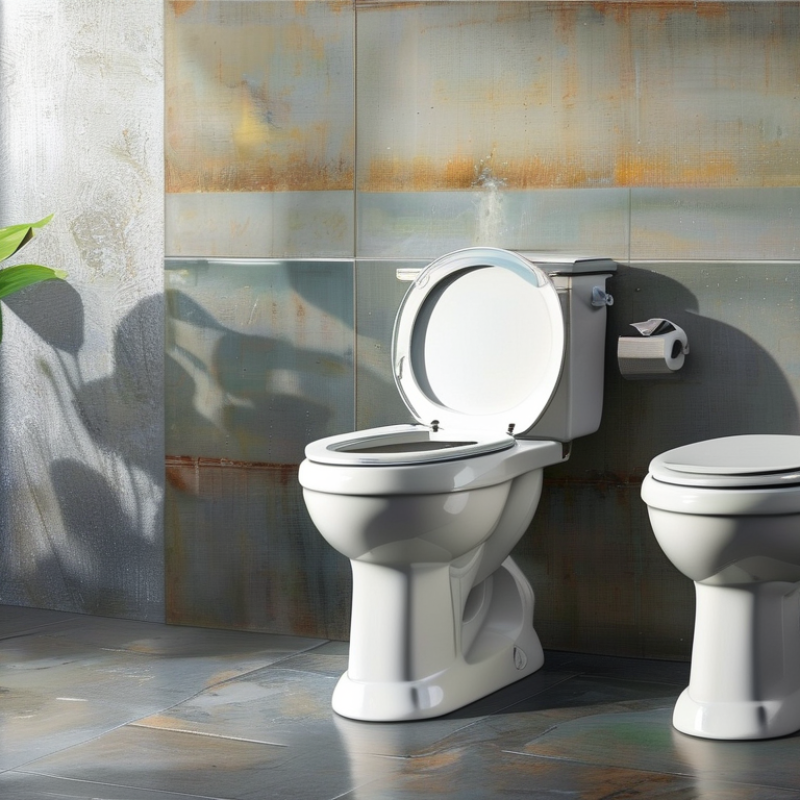
Understanding Water-Saving Toilets and Their Importance
Water-saving toilets play a crucial role in promoting sustainability. According to the Environmental Protection Agency (EPA), toilets account for nearly 30% of residential water use. Traditional toilets can use up to 6 gallons per flush, while modern water-saving models employ only 1.28 gallons or less. This transition can lead to significant reductions in water consumption, making a noticeable difference in both utility bills and environmental impact.
Choosing a water-efficient toilet is essential for eco-friendly buyers. Many of these models utilize advanced flushing technologies that optimize water usage. Some utilize dual-flush options, allowing users to select the right amount of water for liquid or solid waste. This choice can further minimize water use without sacrificing performance. However, it's important to research and choose a toilet that meets local plumbing codes and installation requirements.
In the quest for sustainability, consider how your toilet choice affects water conservation. Not all water-saving toilets are created equal. Some may underperform or require more maintenance over time. It's essential to read user reviews and professional assessments before making a decision. Even the most eco-friendly options may have shortcomings that need to be addressed, such as noise or complexity in installation. Balancing efficiency with practicality can lead to a more sustainable lifestyle.
Types of Water-Saving Toilets: Low-Flow vs. Dual-Flush
When considering water-saving toilets, two popular types stand out: low-flow and dual-flush. Low-flow toilets use less water per flush compared to traditional models, typically around 1.6 gallons or less. They are designed to efficiently remove waste while conserving water. Dual-flush toilets offer a choice between two flush options: a low water volume for liquid waste and a higher volume for solid waste. This functionality can significantly reduce water usage in a household.
Choosing the right type can be challenging. Consider how often the toilet is used. In busy households, a dual-flush model may be more beneficial. On the other hand, if water conservation is the primary goal and the toilet sees less frequent use, a low-flow toilet might suffice. Installation can also affect your choice. Ensure your plumbing can accommodate the chosen toilet type to avoid complications.
Understanding these factors can help make an informed decision. Regular maintenance is crucial, as a malfunctioning toilet can waste more water than is saved. Take time to reflect on your household’s needs. Gathering feedback from family members can provide insights into preferences and usage patterns. This approach encourages a collaborative decision-making process.
Top Features to Consider in Eco-Friendly Toilet Designs
When searching for eco-friendly toilets, consider the design's water efficiency. Low-flow toilets typically use 1.28 gallons per flush or less. This feature significantly reduces water wastage, especially in households where multiple flushes are common. Many models incorporate dual-flush options, allowing users to choose between a light and full flush. This flexibility promotes mindful water use.
Comfort is another key aspect. Ergonomically designed toilets enhance user experience. Look for models with comfortable heights, which can accommodate various users. Some designs also feature soft-close lids, reducing noise and wear. The materials used in construction matter, too. Choosing toilets made from recycled or sustainable materials supports environmental goals.
Aesthetic appeal plays a role as well. Sleek, modern designs can fit seamlessly into your bathroom decor. However, even classic styles can be eco-friendly if they prioritize functionality. Keep in mind that installation may require professional help to ensure efficiency. While these options share similar features, individual preferences will guide the best choice. There's no perfect solution, prompting continual evaluation of what meets your specific needs.
Best Water Saving Toilet Options for Eco Friendly Buyers
| Toilet Model | Water Usage (GPF) | Flushing Technology | Material | Price Range |
| Model A | 1.28 | Dual Flush | Ceramic | $200 - $300 |
| Model B | 1.0 | Pressure-Assisted | Porcelain | $250 - $350 |
| Model C | 1.28 | Single Flush | Vitreous China | $180 - $280 |
| Model D | 0.8 | Vacuum Flush | Composite | $300 - $400 |
Comparative Analysis of Best Water-Saving Toilet Brands
When it comes to selecting a water-saving toilet, there are a variety of brands that stand out in the eco-friendly market. Many models now feature advanced flushing technology. Some use just 1.28 gallons per flush, a significant reduction compared to older toilets. This design not only conserves water but also provides effective waste removal. Many consumers feel uncertain about these new models. Are they less effective? In truth, many perform just as well, if not better.
Comfort and style also play a role in choosing a toilet. What fits your bathroom's aesthetic? Options abound, from sleek, modern designs to more traditional styles. It's not just functionality; appearance matters too. If you're worried about comfort, consider height and shape. Ensure the design suits your needs while still being eco-friendly.
Tips for making a wise choice include checking the WaterSense label. This certification indicates efficiency. Also, explore user reviews to gauge satisfaction. Even with advanced technology, not every model performs equally well. Customer feedback can offer valuable insights into reliability and functionality. Remember, saving water shouldn’t compromise comfort or style. Trust your instincts when selecting the right fixture.
Tips for Proper Installation and Maintenance to Maximize Efficiency
Proper installation and maintenance of water-saving toilets can greatly enhance their efficiency. Statistics show that toilets account for about 30% of residential water use. By ensuring your toilet is well-installed, you can eliminate leaks that waste water. A study by the American Water Works Association indicates that a properly functioning toilet can save an average household over 13,000 gallons of water annually.
Regular maintenance is crucial for longevity and efficiency. Checking for leaks once a month is beneficial. A simple food coloring test can reveal unnoticed leaks in the tank. If color appears in the bowl, it’s time for repairs. Additionally, cleaning the toilet with appropriate products helps keep it operating effectively. Eco-friendly cleaners are preferred to avoid damage to the components.
Understanding the flushing mechanism can also be beneficial. Dual-flush toilets offer options for different waste types, leading to significant savings. Research indicates that using the lower flush for liquid waste can reduce water usage by up to 67%. Many buyers overlook these features, which can lead to wasted resources. Each detail matters in maximizing efficiency and enhancing eco-friendliness.
