What is the Best Plywood for Your Construction Needs?
Plywood is a vital material in the construction industry. Its versatility and strength make it ideal for various applications. In 2021, the global plywood market was valued at over $43 billion, reflecting its significance.
Choosing the best plywood requires understanding its types and specifications. For instance, exterior plywood resists moisture, making it suitable for outdoor projects. In contrast, interior plywood, like birch or maple, offers aesthetic appeal and smooth finishes. However, some plywood may not meet quality expectations. Poorly manufactured plywood can warp or splinter, leading to safety hazards.
When selecting plywood, consider your project's specific needs. Factors include durability, load-bearing capacity, and environmental conditions. Additionally, consulting industry standards can help guide your decision. Remember to weigh your options carefully. Quality plywood may come at a higher price, but it often ensures long-term savings and reliability.
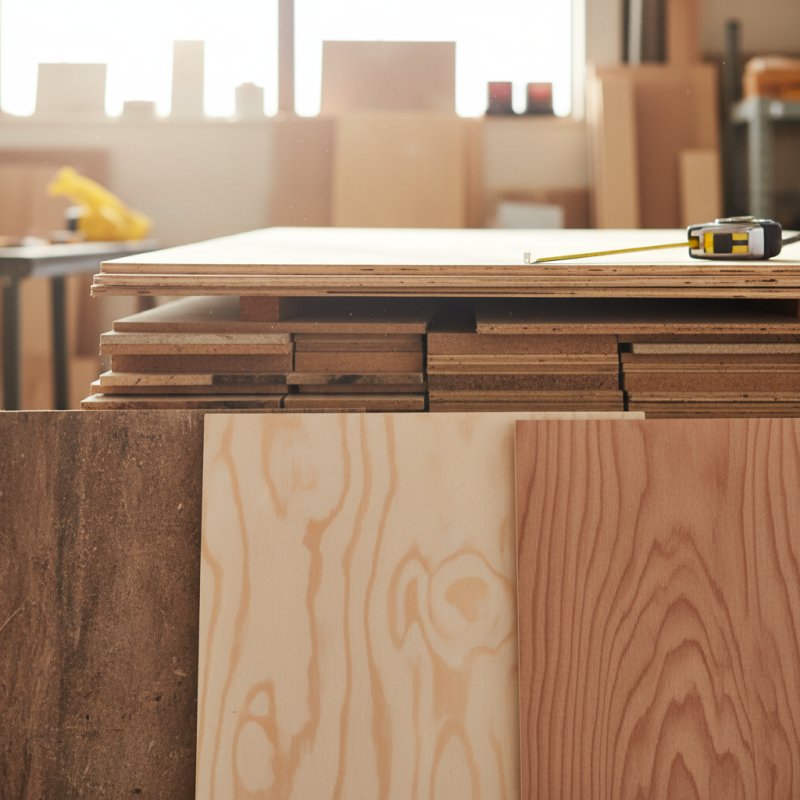
Understanding Different Types of Plywood for Construction Applications
Understanding the different types of plywood is essential for any construction project. Plywood is categorized based on its grade, thickness, and type of wood. Common types include softwood, hardwood, and aircraft plywood. According to a recent industry report, softwood plywood accounts for about 34% of the global plywood market. This is due to its versatility and strength, making it perfect for framing, roofing, and flooring.
When choosing plywood, consider the intended use. For exterior applications, opt for water-resistant varieties, such as marine plywood. It has a higher glue bond strength and moisture resistance, which helps prevent warping. In contrast, hardwood plywood works well for furniture and cabinetry. Its aesthetic appeal and durability are unmatched, yet it may be more expensive.
Tips: Always check the moisture content before purchase. Ideally, it should be between 6% and 12%. A higher moisture level can lead to mold and decay. Consider the project’s environment; this will determine the type of plywood needed. Lastly, never compromise on quality—investing in good plywood enhances your overall construction quality.
Evaluating Strength and Durability of Plywood Options Available
When selecting plywood, strength and durability are paramount. Different types of plywood offer varying degrees of performance under stress. For heavy-duty applications, look for plywood that uses thicker veneers. These options typically provide greater resistance to bending and breaking. It's vital to assess the veneer layers as well. More layers can contribute to overall strength.
Water resistance is another critical factor. Plywood is often treated for moisture exposure. Marine-grade plywood is ideal for humid conditions. It has higher adhesive quality, which prevents delamination. However, it's generally more expensive. Make sure to analyze your project's specific needs before making a decision.
In construction, the quality of plywood can impact the entire structure. Choosing the wrong type can lead to costly repairs. Thus, consider where the plywood will be used. Areas exposed to moisture will require specific types compared to dry environments. Always consult with professionals in the field. Their experience can guide you to make the best plywood choice. Evaluating your options is essential for long-lasting results.
Key Criteria for Selecting the Right Plywood for Your Project
Choosing the best plywood for your construction project requires careful consideration of several key factors. The type of plywood is crucial. Different types serve different purposes. For instance, hardwood plywood is suitable for furniture, while marine plywood is ideal for wet conditions. Understanding your project's specific needs is vital.
Thickness is another important criterion. Thicker plywood offers greater strength, while thinner panels are more flexible. Each project has unique requirements. Consider weight-bearing needs and structural integrity. Also, look for the plywood's grade. Higher grades have fewer knots and imperfections, impacting both appearance and durability.
Tips: Always inspect samples before purchasing. Visual checks can help you identify defects. Additionally, be mindful of your project's environment. Climate affects the choice of plywood. In humid areas, opt for moisture-resistant options. Lastly, thinking about how you will finish the plywood can guide your decision. This might lead to unexpected choices that reflect your vision.
Cost Considerations and Budgeting for Plywood Choices
When selecting plywood for construction, budgeting is crucial. Costs can vary significantly based on quality and type. For example, exterior-grade plywood generally costs more than interior options. Choosing the right thickness is also important and impacts price. Thicker sheets provide strength but can strain budgets.
Consider your project's specific needs. If weather resistance is non-negotiable, invest in higher-grade plywood. Lower-quality plywood may seem appealing for its price but could lead to future repairs. A balanced approach enables you to meet structural and aesthetic goals without overspending.
It is wise to keep waste in mind. Improper measurements can lead to excess material costs. Always factor in potential mistakes in your financial planning. Occasionally, it pays to spend a bit more for quality. But reflect on how often this choice aligns with your actual construction demands. Prioritize versatility and scope over upfront savings.
Sustainable and Eco-Friendly Plywood Options for Construction
Sustainable plywood options are gaining traction in the construction industry. With an increase in awareness about environmental impacts, builders now seek eco-friendly materials. Plywood made from sustainably sourced wood contributes to reducing deforestation. According to the Forest Stewardship Council (FSC), certified wood helps protect biodiversity.
Bamboo plywood is a prime example of sustainable material. Bamboo grows rapidly and can be harvested in three to five years. This is much faster than traditional hardwoods, which can take decades. Additionally, bamboo plywood often features high strength-to-weight ratios. Research indicates that bamboo plywood can be 50% stronger than typical hardwood plywood.
Another notable option is reclaimed plywood. This material uses wood from old buildings and furniture. By repurposing wood, it reduces waste and conserves resources. However, the challenge lies in the quality and consistency of reclaimed plywood. Not all reclaimed wood is suitable for construction. Effective testing is crucial to ensure durability and safety. Sustainable options exist, but careful consideration is essential for the best outcomes in construction.
